


What causes difficulty breathing, waking up at night due to breathlessness, coughing, and noisy breathing? What should be done?
Dec 08, 2025
Source: Cainiu Health

Dr. Ren Yi
Introduction
Difficulty breathing at night, waking up due to suffocation, coughing, and noisy breathing may be caused by improper sleeping posture, dry indoor air, bronchial asthma, acute bronchitis, allergic rhinitis, etc. These symptoms can be improved by adjusting sleeping position, humidifying the air, or medication. If symptoms occur frequently or are accompanied by chest pain or cyanosis, prompt medical attention is necessary.
Difficulty breathing at night, waking up due to breathlessness and coughing, and noisy breathing may be caused by improper sleeping posture, dry indoor air, bronchial asthma, acute bronchitis, or allergic rhinitis. These symptoms can be improved by adjusting sleeping positions, humidifying the air, or medication. If symptoms occur frequently or are accompanied by chest pain or cyanosis, prompt medical attention is required.
1. Improper sleeping posture: When lying on the back, the base of the tongue may fall backward and block the airway; lying face down may compress the chest cavity, leading to labored breathing and awakening with coughing. It is recommended to switch to a side-lying position and elevate the upper body by 15–30 degrees to reduce airway compression and maintain unobstructed breathing.
2. Dry indoor air: Low humidity at night can irritate the respiratory mucosa, causing dry cough and noisy breathing. It is advised to use a humidifier to maintain indoor humidity between 50% and 60%, and drink a small amount of warm water before bedtime to moisten the respiratory tract.
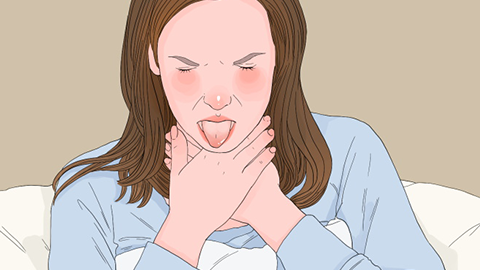
3. Bronchial asthma: Sensitive airways may react to cold night air or dust mites, triggering airway spasms that cause difficulty breathing, awakening from suffocation, and wheezing during respiration. Patients may use medications such as salbutamol aerosol, budesonide-formoterol powder inhaler, or montelukast sodium chewable tablets under medical guidance to relieve symptoms.
4. Acute bronchitis: Viral or bacterial infections cause bronchial inflammation, with mucus accumulating in the airways at night, leading to awakening with choking cough and crackling or rattling sounds during breathing. It is recommended to take medications such as amoxicillin-clavulanate potassium dry suspension, ambroxol-terbutaline oral solution, or pediatric cough syrup under medical supervision to alleviate symptoms.
5. Allergic rhinitis: Exposure to allergens such as bed dust mites or mold at night can trigger nasal mucosal congestion and swelling, causing nasal obstruction, mouth breathing, awakening due to breathlessness, and snoring or stuffy noises during breathing. Patients may follow medical advice to use mometasone furoate nasal spray, loratadine syrup, or cetirizine hydrochloride drops to relieve discomfort.
In daily life, it is important to keep indoor spaces clean and well-ventilated, regularly change bedding to reduce allergens, avoid vigorous exercise and overeating before bedtime, dress appropriately according to temperature changes, and engage in moderate outdoor activities to strengthen physical health and maintain respiratory wellness.



