


What should I do if I have bronchitis with severe coughing but no fever?

Bronchitis without fever but with severe coughing can be alleviated through symptomatic use of cough suppressants, nebulized inhalation therapy, clearance of respiratory secretions, control of infection sources, and avoidance of irritants. Targeted interventions are necessary to prevent disease progression. If cough persists for more than one week or is accompanied by wheezing or blood-tinged sputum, prompt medical attention is recommended.
1. Symptomatic use of cough medications: For predominantly dry cough, central or peripheral cough suppressants may be selected; for obvious productive cough, expectorants are preferred. Strong antitussives should be avoided as they may hinder sputum expulsion. Medications should be taken according to prescribed dosage—do not increase the dose or extend treatment duration without medical advice.
2. Nebulized inhalation therapy: Use bronchodilators or corticosteroid nebulization solutions delivered via a nebulizer device directly into the airways. This provides rapid relief from bronchial spasms and reduces coughing, especially beneficial for those whose nighttime cough disrupts sleep.
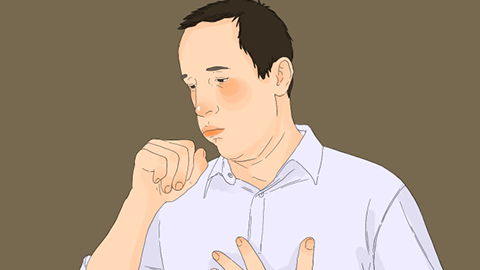
3. Clearance of respiratory secretions: Drink plenty of fluids to thin mucus, and promote sputum clearance through back tapping, positional drainage, and changing body positions. This reduces irritation of the airways caused by secretions, decreases cough frequency, and maintains airway patency.
4. Control of infection source: In cases of bacterial infection, antibiotics should be used under medical guidance. Viral infections are primarily managed with supportive care. Avoid inappropriate use of antibiotics to prevent antibiotic resistance. Once the infection is controlled, cough symptoms gradually improve.
5. Avoidance of irritants: Stay away from smoke, dust, cold air, and irritating odors. Maintain indoor humidity at 50%–60%, wear a mask when going outdoors, and avoid excessive voice use to reduce airway irritation that may trigger severe coughing.
In daily life, ensure adequate rest and avoid fatigue. Eat light, easily digestible foods and consume more fresh fruits and vegetables rich in vitamins. Avoid spicy or overly sweet foods. Drink sufficient warm water daily to soothe the airways, and engage in moderate exercise to strengthen physical health and support recovery of respiratory function.


