


Why do women develop a larger belly at a certain age?

As women age, an enlarged abdomen may result from factors such as decreased metabolic rate, hormonal changes, poor lifestyle habits, polycystic ovary syndrome (PCOS), or hypothyroidism. These issues can be improved through dietary adjustments, regular exercise, and medical treatment. If abdominal enlargement progresses rapidly or is accompanied by menstrual irregularities or fatigue, prompt medical evaluation is necessary.
1. Decreased Metabolic Rate: With aging, the basal metabolic rate gradually declines, reducing calorie expenditure and causing excess energy to be stored as abdominal fat. It is recommended to control total caloric intake, increase consumption of high-quality protein and dietary fiber, and engage in physical activities such as brisk walking or yoga to boost metabolism.
2. Hormonal Changes: Reduced estrogen levels affect fat distribution, promoting abdominal fat accumulation, possibly accompanied by symptoms like hot flashes and insomnia. Maintaining a regular sleep schedule, reducing intake of high-sugar and high-fat foods, and, when necessary, receiving hormone regulation under medical supervision are advised.
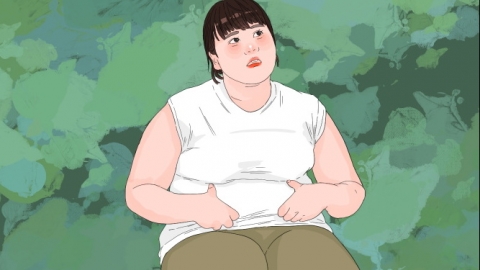
3. Poor Lifestyle Habits: Prolonged sitting, lack of physical activity, or binge eating can lead to abdominal fat accumulation, often associated with bloating and a bulky physique. Avoid prolonged sitting by standing and moving every hour, and develop healthy eating habits such as eating regular meals, chewing slowly, and avoiding overeating.
4. Polycystic Ovary Syndrome (PCOS): This endocrine disorder causes insulin resistance and abnormal fat metabolism, leading to central obesity. Symptoms may include menstrual irregularities and hirsutism. Under medical guidance, patients may use medications such as drospirenone-ethinyl estradiol tablets, metformin hydrochloride sustained-release tablets, and spironolactone tablets to manage symptoms.
5. Hypothyroidism: Insufficient production of thyroid hormones slows metabolism, resulting in fat accumulation, abdominal enlargement, and symptoms such as cold intolerance, fatigue, and constipation. Under a doctor’s supervision, medications like levothyroxine sodium tablets, thyroid tablets, and vitamin B12 supplements may be used to alleviate symptoms.
Maintain a regular sleep schedule and avoid staying up late. Engage in aerobic exercise at least three times per week. Eat a light diet rich in vegetables and whole grains, reduce consumption of fried foods and sweets, and take a walk after meals to help prevent abdominal fat accumulation.


