


Is chronic loose stool due to kidney yin deficiency or yang deficiency?

Generally, chronic loose and frequent stools are associated with kidney yang deficiency rather than kidney yin deficiency. Kidney yin deficiency typically leads to dry and hard stools, whereas kidney yang deficiency tends to cause insufficient warmth in the intestines and impaired digestive function, resulting in prolonged loose stools. The detailed analysis is as follows:
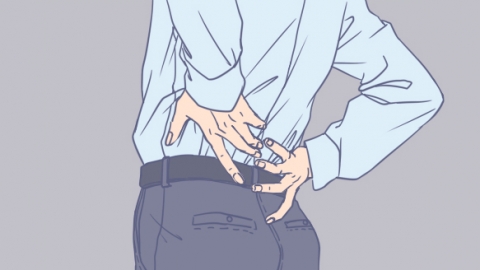
Patients with kidney yang deficiency have insufficient yang qi, which fails to warm the intestines properly. This often manifests as chronically loose, watery stools with undigested food particles, accompanied by symptoms such as aversion to cold, cold hands and feet, soreness and weakness in the lower back and knees. In these individuals, weakened intestinal digestive function impairs the normal absorption of nutrients from food and fluids, causing excess water to remain in the intestines and leading to diarrhea. In contrast, patients with kidney yin deficiency suffer from a depletion of bodily fluids, leaving the intestines inadequately lubricated. This commonly presents as dry, hard stools and difficult defecation, rarely causing chronic loose stools. Typical accompanying symptoms include dry mouth and throat, tidal fever, night sweats, dizziness, and tinnitus.
Daily care should be tailored accordingly. Individuals with kidney yang deficiency should keep their abdomen warm, avoid raw and cold foods, and consume warming foods such as lamb and Chinese yam in moderation. Those with kidney yin deficiency should follow a light diet, avoid spicy and heat-inducing foods, and consume nourishing, yin-enhancing ingredients such as tremella fungus and lily bulbs appropriately.


