


Can patients with favism eat pistachios?

Generally, individuals with favism (G6PD deficiency) can consume pistachios. Pistachios are not among the common foods禁忌 for favism and, when consumed in moderation, typically do not trigger adverse reactions. However, it is important to choose plain, additive-free pistachios. The detailed explanation is as follows:
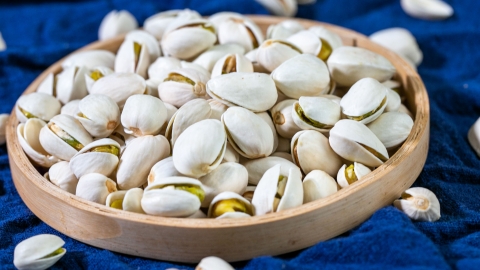
Favism is caused by a deficiency of a specific enzyme in the body, making individuals susceptible to hemolysis after consuming fava beans or related products. Pistachios, however, belong to the nut category and contain no components related to fava beans or substances known to trigger hemolysis. Most patients can safely eat pistachios without adverse effects and benefit from their protein and mineral content.
It is important to avoid processed pistachios containing additives such as fava bean powder or broad bean sauce, as these may contain hidden ingredients that pose risks. Additionally, ensure the pistachios are fresh and uncontaminated. When trying pistachios for the first time, start with a small amount and monitor for any unusual physical reactions.
In daily diets, patients must strictly avoid fava beans and related products, carefully checking ingredient labels when selecting foods. By combining other safe nuts, vegetables, and meats, patients can maintain a balanced intake of nutrients. Developing good dietary hygiene habits also helps minimize health risks.


