Is kudzu powder beneficial for kidney disease?
Dec 09, 2025
Source: Cainiu Health

Dr. Sun Lianqing
Introduction
In general, kudzu powder may provide certain auxiliary benefits for some patients with kidney disease, but it cannot replace standard medical treatment. Individuals with severely impaired kidney function should consume it cautiously. Daily intake should be adjusted according to kidney function and kept within appropriate limits, with priority given to following medical advice and undergoing proper treatment. A diet low in salt, low in fat, and containing high-quality, low-protein foods is recommended, and the indiscriminate use of various health supplements should be avoided.
Generally, kudzu powder may offer certain auxiliary benefits for some patients with kidney disease, but it cannot replace standard medical treatment, and individuals with severely impaired kidney function should consume it cautiously. The detailed analysis is as follows:
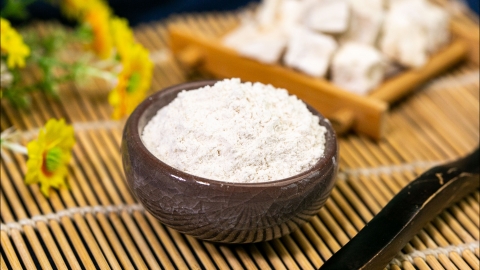
Kudzu powder contains flavonoids that have antioxidant properties and can help improve blood circulation. For kidney disease patients with accompanying hypertension or high blood lipids, moderate consumption may assist in regulating related indicators and reducing indirect strain on the kidneys. Additionally, kudzu powder has a fine texture and is easy to digest, making it suitable as a daily supplementary food for patients with relatively preserved kidney function.
However, for patients with severely impaired kidney function who need to strictly limit plant protein intake, kudzu powder contains a certain amount of plant protein, and excessive consumption may increase the metabolic burden on the kidneys, which is unfavorable for disease stability. Moreover, kudzu powder does not possess core therapeutic effects for kidney disease and should only be considered an adjunctive调理 method.
In daily use, intake should be controlled according to individual kidney function status, and standard medical treatments prescribed by healthcare providers should take priority. A diet low in salt, low in fat, and containing high-quality, low-protein foods is recommended. Blindly consuming various health supplements should be avoided, and regular monitoring of kidney function is more beneficial for effective disease management.