


Can squid meat that has turned yellow still be eaten?

Under normal circumstances, whether yellowed squid meat is edible depends on the cause and condition of the discoloration. If the yellowing is due to mild oxidation and there are no signs of spoilage, it may still be safe to eat; however, if the yellowing results from spoilage, consumption is not recommended. Detailed analysis is as follows:
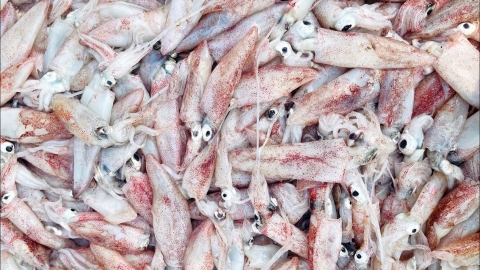
If the squid was freshly caught or purchased and stored for only a short time, and the slight yellow tint on the surface is merely due to moisture loss or mild oxidation, with the flesh remaining firm and odor-free, this is considered a normal phenomenon. It is safe to consume and will not cause discomfort—simply rinse thoroughly before cooking.
However, if the squid meat has turned significantly yellow and is accompanied by signs of spoilage such as stickiness, sour or rotten smell, or reduced elasticity, it indicates extensive bacterial growth and the presence of harmful substances. Consuming such squid may irritate the gastrointestinal tract, leading to nausea, abdominal pain, diarrhea, or other discomforts, and it should be discarded immediately.
For daily storage, it is recommended to place squid in sealed bags or airtight containers and store in the refrigerator or freezer. Refrigerated squid should ideally be consumed within 24 hours, while freezing can extend its shelf life. When purchasing, choose squid with white, elastic flesh and no unpleasant odor to better ensure food safety.


