


Does drinking ripe Pu-erh tea cause internal heat?
Dec 09, 2025
Source: Cainiu Health

Dr. Sun Lianqing
Introduction
In general, whether drinking ripe Pu-erh tea causes "heatiness" depends on the individual's physical constitution and drinking habits. If discomfort occurs, it is advisable to adjust tea consumption habits promptly or consult a doctor. The tea concentration should be controlled, and it should not be consumed on an empty stomach; daily intake should not exceed 1000 milliliters. The tea should be stored sealed in a dry place to prevent moisture absorption and deterioration, and consumption can be temporarily suspended when experiencing "heatiness."
Generally, whether drinking ripe Pu-erh tea causes "heatiness" (shanghuo) depends on the individual's physical constitution and drinking habits. If discomfort occurs, it is advisable to adjust tea consumption habits or consult a healthcare professional. The detailed analysis is as follows:
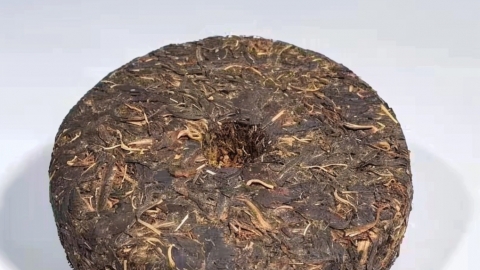
If the drinker has a cold constitution or lives in a damp environment, moderate consumption of ripe Pu-erh tea at an appropriate concentration typically does not cause heatiness. Ripe Pu-erh tea undergoes a pile-fermentation process, giving it a mild nature that helps warm and nourish the spleen and stomach while dispelling dampness. Drinking 200–300 ml per serving, combined with a light diet, not only replenishes fluids but also aids digestion, meeting the physiological needs of such individuals.
However, if the person has a naturally hot constitution, drinks excessive amounts of strong ripe Pu-erh tea, or frequently consumes spicy and greasy foods, symptoms of heatiness such as dry mouth and constipation may occur. Substances produced during the fermentation process of ripe Pu-erh tea may exacerbate internal heat when consumed by individuals with a hot constitution or when consumed improperly.
To prevent issues, tea concentration should be controlled, and it should not be consumed on an empty stomach. Daily intake should not exceed 1000 ml. The tea should be stored sealed in a dry place to avoid moisture absorption and deterioration. If signs of heatiness appear, stop drinking the tea temporarily, increase intake of warm water to relieve discomfort, and resume moderate consumption only after symptoms have subsided.



