


Is it safe to eat flowering Chinese cabbage that has become hollow due to prolonged storage?

Generally, when flowering Chinese cabbage (cai tai) develops hollow stems after prolonged storage, whether it can still be eaten depends on its specific condition. The details are as follows:
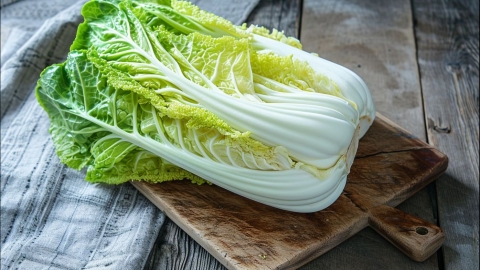
If the stem of the cai tai is only slightly hollow in the center, with bright and fresh outer skin free from wilting, moist cross-sections without unpleasant odor when snapped, and green, glossy leaves, it can still be consumed after removing the hollow portion. This type of hollowness is usually caused by moisture loss, resulting in minimal nutrient degradation. After thorough washing and cooking, the texture may be slightly less crisp, but it remains safe to eat—best suited for quick stir-frying or soups.
However, if the hollow section is large, the outer skin appears shriveled and wilted, the cross-section looks yellowish, sticky, and emits a sour or rotten smell, and the leaves are yellowed, soft, mushy, or spotted, then it should not be eaten. At this stage, bacteria have likely proliferated and the vegetable has begun to rot, which may cause gastrointestinal discomfort if consumed.
When purchasing cai tai, choose stalks that are plump and leaves that are tender and fresh. After bringing it home, trim off the old roots, wrap it in a damp kitchen paper towel, place it in a sealed plastic bag, and store it in the refrigerator to extend freshness. Before cooking, cut away any hollow or tough sections and wash thoroughly. Consuming it soon after purchase ensures optimal freshness.


