


Can frozen and then steamed-cooked river crabs still be eaten?

Generally, whether frozen and then steamed freshwater crabs can be eaten depends on specific circumstances. If the crab died recently, was properly stored, and has not spoiled, it is usually safe to consume. However, if the crab has been dead for a long time, was poorly stored, or has already deteriorated, it should not be eaten. The specific criteria are as follows:
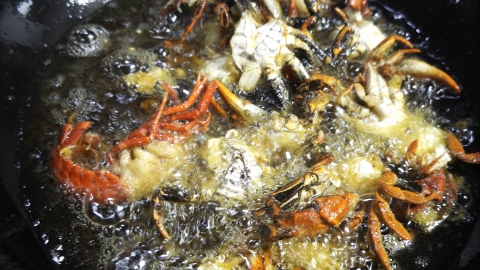
If the freshwater crab has just died from freezing and has been dead for no more than 2 hours, with proper low-temperature storage maintained from death to freezing, and after thawing shows no unpleasant odor, has an intact and glossy shell, and normal-looking roe and paste (crab fat), it is generally safe to eat after thorough steaming. Rapid freezing helps inhibit extensive bacterial growth and reduces the production of harmful substances; thorough steaming can kill any remaining bacteria, ensuring basic safety for consumption.
If the crab has been dead for more than 4 hours, was not promptly refrigerated or frozen after death, or has undergone repeated freeze-thaw cycles, and after thawing exhibits signs of spoilage—such as foul odor, dull-colored shell, soft or loose limbs, or runny roe and paste—it should not be consumed even if fully cooked. Dead crabs easily breed bacteria and produce toxins, some of which cannot be destroyed by high temperatures, potentially causing vomiting, diarrhea, and other adverse reactions if ingested.
When purchasing freshwater crabs, live and fresh ones are recommended. Frozen crabs should be sealed and stored separately in the freezer to avoid cross-contamination. Thaw them slowly using the refrigerator or cold water. Once steamed, they should be consumed promptly and not kept for long periods.


