


Can the white substance inside a soft-shelled turtle be eaten?

The white substance inside soft-shelled turtles is edible and typically consists of fat, connective tissue, or immature eggs. As a natural component of the turtle, it is rich in nutrients and non-toxic. After proper cleaning, it can be safely cooked and consumed.
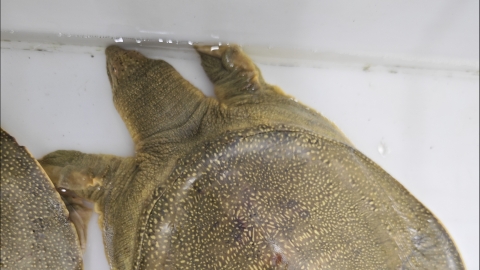
White fat in soft-shelled turtles is mainly distributed around the limbs and internal organs. It appears milky white and semi-transparent with a soft texture, containing beneficial nutrients such as unsaturated fatty acids. Moderate consumption is harmless and can enhance the flavor and mouthfeel of dishes.
Immature egg granules or connective tissues are also rich in protein, minerals, and other nutrients. Once thoroughly cooked, they are easily digested and absorbed without adverse effects on health. However, it's important to distinguish normal white tissues from parasitic or diseased tissues. Discard any white material that feels hard, has an abnormal color, or carries impurities.
When preparing soft-shelled turtles, remove excess white fat around the internal organs and rinse thoroughly with clean water to eliminate blood residues and impurities. Ensure the turtle is fully cooked during preparation—never consume it raw or undercooked. When eating, pair it with vegetables for a balanced diet, and moderate portion sizes to avoid excessive fat intake.


