


What should I do if I experience stomach bloating after taking Chinese herbal medicine?

Stomach bloating after taking traditional Chinese medicine can be relieved by adjusting medication timing, improving diet structure, performing gentle abdominal massage, reducing intake of gas-producing foods, and communicating with the physician to modify the prescription. This condition is often related to drug irritation or weak spleen and stomach digestion. If bloating persists or is accompanied by severe abdominal pain or vomiting, prompt medical attention is recommended.
1. Adjust medication timing: Avoid taking irritating Chinese herbal medicines on an empty stomach. Instead, take them 30 minutes to one hour after a meal. Food helps buffer the stimulation of the medicine on the gastric mucosa and reduces abnormal gastrointestinal motility that may cause bloating.
2. Improve diet structure: Maintain a light and easily digestible diet during treatment. Opt for foods like rice porridge and noodles to reduce the digestive burden on the spleen and stomach, prevent worsening of bloating, and support stable gastrointestinal function.
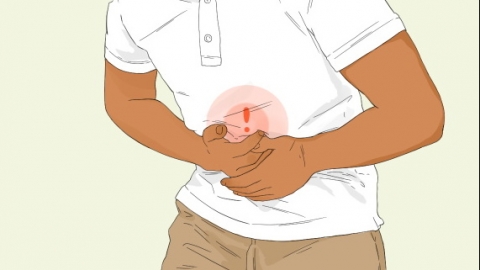
3. Perform moderate abdominal massage: Gently massage the abdomen in a clockwise direction around the navel for 5–10 minutes per session. This helps promote gastrointestinal motility and expel accumulated intestinal gas, relieving bloating discomfort.
4. Reduce intake of gas-producing foods: Temporarily avoid gas-inducing foods such as beans, onions, and sweet potatoes. These foods produce excessive gas in the intestines, which may combine with herbal irritation and worsen bloating.
5. Communicate to adjust the prescription: Persistent bloating may indicate that certain herbs in the formula are too cold in nature or overly rich and greasy. Consult your prescribing physician promptly to adjust the formula under professional guidance and reduce gastrointestinal side effects.
When taking medicine, sip slowly to avoid swallowing excess air. Maintain a relaxed mood to prevent anxiety from affecting digestion, take a light walk after meals to enhance gastrointestinal motility, and avoid lying down immediately. Always follow medical instructions strictly—do not adjust dosage or frequency on your own.


