


What are the harms of a child eating too many hawthorns?

Consuming too many hawthorn berries can cause various health issues in children, including gastrointestinal irritation, dental damage, blood sugar fluctuations, nutritional imbalances, and spleen-stomach dysfunction. Hawthorn is highly acidic and contains a significant amount of sugar. Since children's digestive systems are not yet fully developed, their intake should be strictly controlled. If persistent abdominal pain, vomiting, or increased tooth sensitivity occurs after consumption, prompt medical attention is recommended.
1. Gastrointestinal irritation: Hawthorn contains large amounts of fruit acid and crataegolic acid. Excessive consumption stimulates the gastric mucosa to secrete excess stomach acid, leading to symptoms such as acid reflux, stomach pain, and bloating. Eating hawthorn on an empty stomach may even trigger gastrointestinal spasms and episodic abdominal pain.
2. Dental damage: The fruit acids in hawthorn can erode tooth enamel. Children have thinner enamel, making them more susceptible to tooth sensitivity and acid-related pain. Long-term or excessive consumption increases the risk of cavities and may impair healthy tooth development.
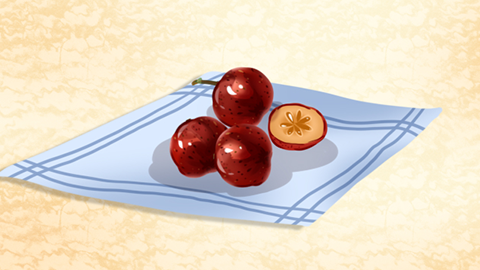
3. Blood sugar fluctuations: Hawthorn has a relatively high sugar content. Overconsumption can cause rapid spikes in blood glucose levels. This is particularly concerning for overweight children or those with tendencies toward blood sugar regulation disorders, as it may increase metabolic strain and hinder weight and glucose control.
4. Nutritional imbalance: The sweet-and-sour taste of hawthorn can easily lead to overconsumption in children, reducing appetite for regular meals. This may result in inadequate intake of staple foods and vegetables, potentially causing deficiencies in protein and minerals over time, thus affecting growth and development.
5. Spleen-stomach dysfunction: Children have relatively weak digestive capacity. Excessive hawthorn consumption overburdens the spleen and stomach, disrupting digestive enzyme secretion and leading to symptoms such as reduced appetite, alternating diarrhea and constipation, ultimately impairing digestive function.
When giving hawthorn to children, limit portions to no more than 3–5 pieces per serving, and avoid consuming on an empty stomach. After eating hawthorn, rinse the mouth with warm water promptly to clean the oral cavity. To counteract its acidity, pair it with spleen-nourishing ingredients like Chinese yam or millet. For mild digestive discomfort, drinking warm rice gruel may help alleviate symptoms.


