


Is cupping therapy good for the cervical spine?
Dec 09, 2025
Source: Cainiu Health

Dr. Sun Lianqing
Introduction
In general, whether cupping therapy on the cervical spine is beneficial depends on the specific cause, type of cervical problem, and individual physical condition. It is important to maintain proper sitting posture daily, avoid prolonged periods of looking down, and get up every hour to move the neck and shoulders. Choose a pillow with an appropriate height, keep the neck and shoulders warm, and perform slow neck stretching exercises as suitable to strengthen the muscles of the neck and shoulders.
In general, whether cupping therapy is beneficial for the cervical spine depends on the specific cause, type of cervical problem, and individual physical condition. The detailed analysis is as follows:
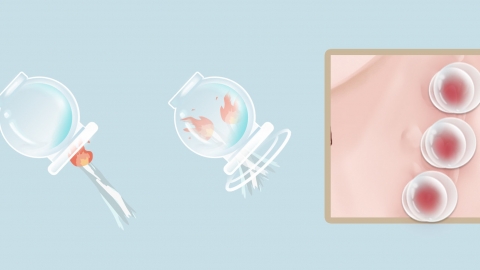
If neck discomfort is caused by strain of the neck and shoulder muscles or invasion of wind, cold, and dampness—manifesting as neck stiffness and soreness without obvious skeletal abnormalities—and if the person has normal blood clotting function and intact skin, cupping may be appropriate under professional guidance. Cupping can promote local blood circulation, relax tense muscles, and relieve pain and soreness. When proper acupoints and appropriate suction intensity are used, it can achieve favorable therapeutic effects.
However, cupping is absolutely contraindicated if the cervical issue involves cervical fracture, dislocation, herniated intervertebral disc with nerve compression, or if there are skin wounds, infections, eczema, or similar conditions. In these cases, cupping could worsen injuries, cause severe pain, or lead to the spread of infection. Pregnant women and patients experiencing acute hypertension should also avoid cupping.
For daily care, maintain correct sitting posture, avoid prolonged periods of head-down positions, and take breaks every hour to stretch the neck and shoulders. Use a pillow of suitable height, keep the neck and shoulders warm, and perform gentle neck stretching exercises regularly to strengthen the neck and shoulder muscles.




