


Can you eat a hard white mango?

Generally speaking, whether a hard white mango is edible depends on the ripeness of the mango and individual consumption needs. The specific analysis is as follows:
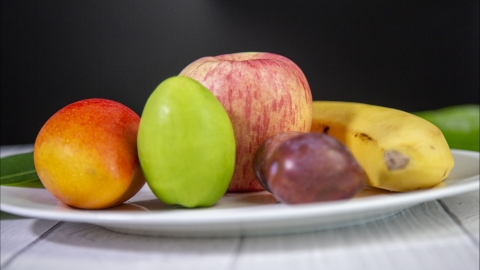
If the hardness of the white mango is due to its variety characteristics or it is still in the ripening process, with smooth skin free of black spots and no unpleasant odor, and if you prefer a sour, sweet, and crisp texture—for example, when making salads or pickled snacks—then it is safe to eat. Such mangoes have firm flesh with higher acidity but a unique flavor that satisfies specific taste preferences. Simply wash and peel before eating; there's no need to wait until they soften completely.
However, if the hardness results from being unripe or underdeveloped, or if signs of spoilage are present—such as wrinkled skin, rotting spots, or a fermented smell—the mango should not be consumed. Underripe, hard mangoes tend to be bitter and astringent, making them difficult to digest. Spoiled hard mangoes may already harbor bacteria inside, and consuming them can easily cause gastrointestinal discomfort.
When selecting mangoes, gently press near the stem end; those with slight elasticity are more likely to be ripe. Unripe mangoes can be stored together with bananas to speed up ripening. Once ripe, they should be eaten promptly. Leftover mango flesh should be cut into pieces, sealed tightly, and refrigerated to prevent spoilage.


