


What to eat to aid digestion when consuming too much meat

Eating too much meat can be balanced by consuming high-fiber vegetables, fermented foods, sour fruits, whole grains and legumes, and medicinal food ingredients. These foods help digestion by promoting gastrointestinal motility, supplementing digestive enzymes, or regulating the intestinal environment, thereby reducing the digestive burden caused by meat consumption. If persistent symptoms such as bloating, abdominal pain, vomiting, or acid reflux occur, it is advisable to seek medical attention promptly.
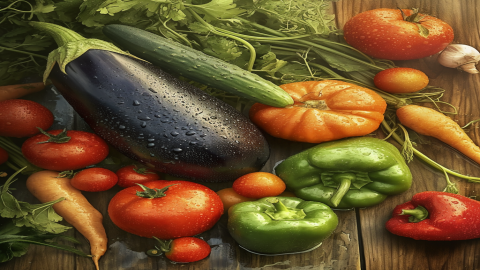
1. High-fiber vegetables: Such as celery, spinach, and broccoli, which are rich in dietary fiber that promotes intestinal motility, accelerates the elimination of meat residue, and increases satiety to prevent overeating. The vitamins and minerals they contain also help enhance the activity of digestive enzymes.
2. Fermented foods: Such as yogurt, kimchi, and fermented black beans, which contain probiotics and digestive enzymes. These components help regulate the balance of gut microbiota, aid in breaking down proteins and fats in meat, and reduce gastrointestinal strain—especially beneficial for individuals with weak digestive function.
3. Sour fruits: Such as hawthorn, lemon, and oranges, whose organic acids stimulate gastric juice secretion, enhance pepsin activity, and promote the breakdown and absorption of proteins in meat. The sour taste also helps stimulate appetite and relieve greasiness.
4. Whole grains and legumes: Such as oats, corn, and red beans, which are rich in dietary fiber and B-complex vitamins. B vitamins participate in energy metabolism, while dietary fiber promotes intestinal movement. When consumed with meat, they help balance the diet and reduce digestive strain.
5. Medicinal food ingredients: Such as Chinese yam, poria (Fuling), and dried tangerine peel (Chenpi). Chinese yam strengthens the spleen and boosts vital energy; poria promotes diuresis and removes dampness; and Chenpi regulates qi and strengthens the spleen. Preparing them as tea or soups can help regulate spleen and stomach functions and support digestion of meat, making them suitable for those with poor digestive capacity.
To maintain digestive health, meat intake should be controlled to avoid excess. Meals should include sufficient vegetables and whole grains for a balanced diet. Chew food slowly to extend digestion time, and engage in light walking half an hour after meals to promote gastrointestinal motility. Avoid prolonged sitting or drinking large amounts of water immediately after eating, as these may impair digestion.


