


Can shrimp that exude black liquid still be eaten?

It is not recommended to eat shrimp that exude black fluid. Normally, shrimp have clear bodily fluids and firm flesh. The discharge of black liquid is a clear sign of abnormality, indicating possible spoilage or contamination, which may pose health risks if consumed. If symptoms such as vomiting, diarrhea, or abdominal pain occur after accidental consumption, prompt medical attention is advised.
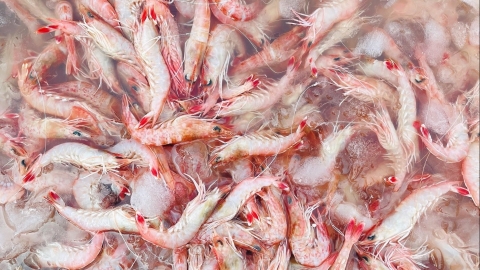
Black fluid discharge in shrimp is mostly caused by spoilage. After live shrimp die, bacteria multiply rapidly inside the body, breaking down proteins and internal organs, producing black decomposed metabolic waste. This process is often accompanied by signs such as sticky texture and unpleasant odor. These harmful substances can irritate the gastrointestinal tract and lead to infection.
In addition, if the shrimp are raised in an environment contaminated with heavy metals or pollutants, accumulated toxins in their bodies may cause the bodily fluids to turn black. Such toxins can build up in the human body over time, and long-term consumption may damage liver and kidney function.
When purchasing, prioritize live shrimp with intact shells free of damage. Cook them as soon as possible after purchase—within 24 hours. Before cooking, thoroughly rinse the underside and remove the digestive tract (shrimp vein), ensuring the shrimp are fully cooked. Do not consume shrimp that appear abnormal or have unknown origins.


