


Which patients should not eat grass carp?

Patients with gout or hyperuricemia, fish allergies, severe liver or kidney dysfunction, active peptic ulcers, or bleeding disorders should avoid eating grass carp, as its components or properties may exacerbate their conditions. If discomfort occurs after accidental consumption, prompt medical attention is recommended.
1. Patients with gout or hyperuricemia: Grass carp is a moderate-purine food. Consuming it can elevate blood uric acid levels, triggering or worsening gout symptoms such as joint redness, swelling, and pain. Its intake should be strictly limited or avoided.
2. Patients with fish allergies: Grass carp contains foreign proteins that may trigger allergic reactions in sensitive individuals, including skin itching, rashes, and difficulty breathing. Severe reactions can be life-threatening, so complete avoidance is necessary.
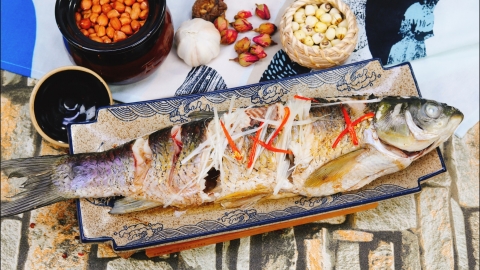
3. Patients with severe liver or kidney dysfunction: Grass carp is rich in protein. Individuals with severely impaired liver or kidney function have reduced metabolic capacity; excessive consumption may increase the burden on these organs and potentially worsen their condition. Intake should be strictly controlled or avoided.
4. Patients with active gastrointestinal ulcers: The flesh of grass carp is relatively coarse and may carry trace bacteria. Eating it during an active ulcer phase can irritate the ulcer site, aggravating symptoms such as abdominal pain, acid reflux, and bleeding, thus impairing ulcer healing.
5. Patients with bleeding disorders: Grass carp contains substances that inhibit platelet aggregation. Consumption by these patients may increase the risk of bleeding, worsening symptoms like gum bleeding and subcutaneous bruising, and should therefore be avoided.
In daily diets, individuals should carefully select ingredients based on their health status. Low-purine, easily digestible meats can be substituted for grass carp. Preferred cooking methods include steaming, boiling, and stewing. Maintain a light, balanced diet and avoid spicy or irritating seasonings.


