


Can you still eat Chinese greens after blanching them in water and storing them in the refrigerator?

Generally speaking, whether blanched vegetables can still be eaten after being stored in the refrigerator depends on storage conditions, the method of blanching, and the condition of the vegetables. If there are signs of spoilage, it is recommended to discard them. The detailed analysis is as follows:
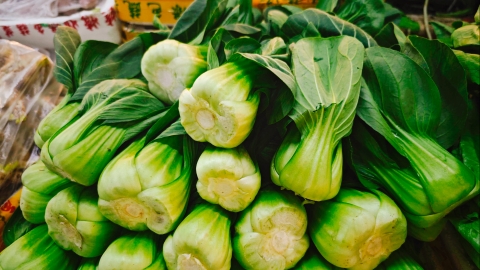
If the vegetables are quickly cooled with cold water and thoroughly drained after blanching, then placed in a clean, sealed container and refrigerated at a temperature between 0–4°C, they can be consumed within 24 hours provided no unusual odor, softening, or stickiness is observed. They should be thoroughly reheated before eating. This method helps inhibit bacterial growth, preserves nutritional value, prevents cross-contamination and moisture loss through sealing, and maintains good quality.
If the vegetables are not promptly cooled after blanching and are left at room temperature for a prolonged period before refrigeration, or if they are not properly sealed—leading to cross-contamination—they may easily develop bacteria, resulting in unpleasant odors, yellowing, softening, or decay, making them unsuitable for consumption.
Even if they appear normal, vegetables stored beyond 48 hours in the refrigerator suffer significant nutrient loss and reduced safety. Avoid overcooking during blanching to minimize nutrient degradation. Always reheat thoroughly before consumption, prepare only the amount needed, and minimize refrigeration time to ensure freshness and safety.


