


Is frequent dreaming due to kidney problems or liver problems?

Generally, chronic dreaming may be related to the functional states of the liver and kidneys, but it does not directly indicate organic lesions in these organs; rather, it is often associated with functional imbalances. If concerned, it is advisable to evaluate based on overall symptoms. Specific analysis is as follows:
In Traditional Chinese Medicine (TCM), the liver governs smoothing and regulating the flow of qi. If liver qi becomes stagnant or liver fire flares upward, it can lead to restlessness of the spirit (shen), resulting in frequent dreams or chaotic dream content, often accompanied by irritability, anger, dry mouth, and a bitter taste.
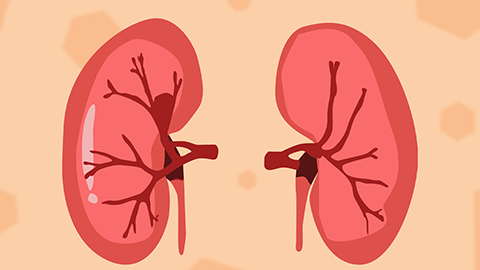
The kidney stores essence (jing). Insufficient kidney essence or deficiency of kidney yin may lead to inadequate nourishment of the spirit, causing frequent dreaming, insomnia, and easy awakening. This may be accompanied by symptoms such as soreness and weakness in the lower back and knees, dizziness, and tinnitus.
Chronic dreaming may also be linked to emotional stress, irregular daily routines, and other factors—thus, it should not be attributed solely to liver or kidney issues. Maintaining regular作息 (daily routines), avoiding staying up late, managing emotions, and reducing anxiety are important. If symptoms persist or are accompanied by other discomforts, timely medical consultation for pattern differentiation and appropriate regulation is recommended.


