


Can the shell of almond pastry be eaten?

Generally speaking, whether the shell of almond crisp is edible depends on its specific characteristics and processing method. The details are as follows:
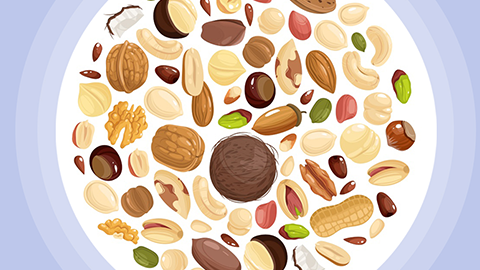
The shells of almond crisp that have been deeply roasted and ground into a crispy, brittle texture are edible. These shells become soft during processing and will not cause mechanical damage to the gastrointestinal tract. They can also provide a small amount of dietary fiber. When chewed properly, they pose no risk of damaging teeth or injuring the oral mucosa, and can be consumed directly along with the almond crisp.
Shells that are unprocessed or only coarsely processed—those that are hard and thick—are not recommended for consumption. These shells contain coarse, tough fibers that cannot be digested by the human digestive system. Eating them may scratch the esophagus or gastric mucosa and tend to accumulate in the intestines, increasing the risk of bloating, constipation, or even intestinal obstruction. They should be completely removed before eating the almond crisp.
When consuming almond crisp, chew slowly and thoroughly. Regardless of whether the shell is edible, avoid swallowing large bites. Limit the amount consumed each time to prevent excessive fat intake, which could burden digestion. After eating, drinking a moderate amount of warm water can help the food pass smoothly through the digestive tract and reduce the likelihood of throat or gastrointestinal discomfort.


