


What are the common types of small vessel vasculitis?
Dec 09, 2025
Source: Cainiu Health

Dr. Liu Wenmin
Introduction
Small vessel vasculitis is a group of inflammatory diseases affecting small blood vessels. Common types include granulomatosis with polyangiitis (formerly Wegener's granulomatosis), microscopic polyangiitis, Henoch-Schönlein purpura, eosinophilic granulomatosis with polyangiitis, and cryoglobulinemic vasculitis. Granulomatosis with polyangiitis is characterized by necrotizing granulomatous inflammation and commonly presents with symptoms such as nasal congestion, rhinorrhea, cough, hemoptysis, and renal dysfunction.
Small vessel vasculitis is a group of inflammatory diseases affecting small blood vessels. Common types generally include Wegener's granulomatosis (granulomatosis with polyangiitis), microscopic polyangiitis, Henoch-Schönlein purpura (allergic purpura), eosinophilic granulomatous vasculitis (Churg-Strauss syndrome), and cryoglobulinemic vasculitis. A detailed analysis is as follows:
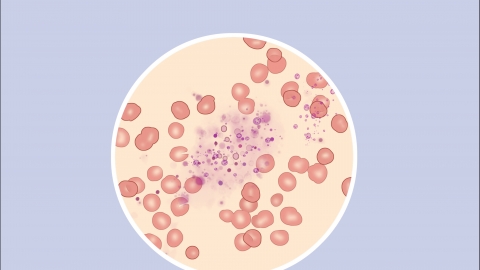
1. Granulomatosis with Polyangiitis (Wegener's Granulomatosis): Characterized by necrotizing granulomatous inflammation, this condition primarily affects the upper respiratory tract, lungs, and kidneys. Common manifestations include nasal congestion, rhinorrhea, coughing with hemoptysis, and renal dysfunction. The disease progresses rapidly and requires prompt intervention.
2. Microscopic Polyangiitis: This condition mainly involves small arteries, capillaries, and venules, potentially affecting multiple organs. Common symptoms include fever, fatigue, hematuria, proteinuria, and dyspnea. Some patients may experience severe and life-threatening disease courses.
3. Henoch-Schönlein Purpura (Allergic Purpura): Most commonly seen in children and adolescents, it is associated with factors such as infection and allergies. Typical presentation includes skin purpura, often accompanied by abdominal pain, joint pain, and kidney damage. Symptoms typically appear symmetrically.
4. Eosinophilic Granulomatous Vasculitis (Churg-Strauss Syndrome): This condition features asthma, eosinophilia, and vasculitis. It commonly affects the respiratory tract and kidneys, manifesting as recurrent asthma attacks, cough, skin nodules, and abnormal kidney function.
5. Cryoglobulinemic Vasculitis: Caused by deposition of cryoglobulins in the bloodstream leading to vascular inflammation, it primarily affects the skin and kidneys. Common symptoms include Raynaud's phenomenon, skin purpura, ulcers, hematuria, and proteinuria, which may worsen upon exposure to cold.
If symptoms suggestive of these conditions occur, prompt medical evaluation is necessary to establish an accurate diagnosis through appropriate testing. Regular follow-up visits are essential to monitor disease progression and adjust treatment plans accordingly. Maintaining regular作息 (sleep-wake cycles), a healthy diet, and improved physical fitness can help strengthen the body and support disease management.



