


What are the benefits and drawbacks of eating raw rice?

Consuming raw rice offers limited actual benefits, while posing several drawbacks such as indigestion, gastrointestinal discomfort, increased risk of infection, poor nutrient absorption, and dental damage—making the health risks particularly prominent. If severe abdominal pain, vomiting, or fever occurs after eating raw rice, prompt medical attention is recommended.
1. Indigestion: The starch in raw rice exists in the form of resistant starch, which is difficult for human digestive enzymes to break down. Consumption may lead to bloating and belching, and individuals with weak gastrointestinal function may experience abdominal pain or constipation.
2. Gastrointestinal irritation: Raw rice has a hard texture that can mechanically irritate the gastric mucosa. Long-term consumption may damage the protective mucosal barrier, increasing the risk of developing gastritis or gastric ulcers.
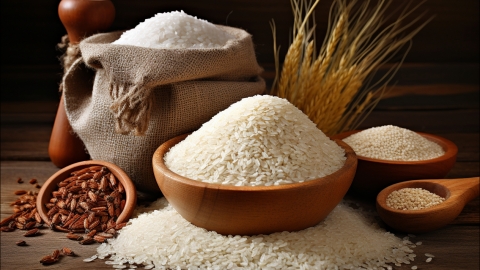
3. Increased infection risk: Raw rice may carry harmful substances such as Salmonella and aflatoxins. Without high-temperature sterilization, consuming it may cause food poisoning, leading to symptoms like vomiting, diarrhea, and fever.
4. Poor nutrient absorption: The structures of proteins and starches in raw rice are dense, resulting in very low absorption efficiency by the body. Long-term consumption may lead to inadequate nutrient intake and negatively affect overall health.
5. Dental damage: Due to its hardness, chewing raw rice requires strong biting force, which over time may wear down tooth enamel, causing tooth sensitivity, soreness, and even increasing the likelihood of cavities.
Rice should always be thoroughly cooked before consumption. Cooking softens the starch and kills harmful microorganisms, improving digestibility and nutrient absorption. Rinse rice well before cooking to remove surface impurities and residues. Maintain a balanced diet by combining rice with vegetables and meats, avoiding overreliance on rice alone, to ensure comprehensive nutrition and steer clear of high-risk eating habits like consuming raw rice.


