


Can a crab that died recently still be eaten after being refrigerated for three days?

Generally, it is not recommended to consume crabs that have been refrigerated for three days after death. Although low temperatures can slow down spoilage, bacteria may still proliferate, posing food safety risks. If in doubt, it's best to judge based on freshness and condition. Detailed analysis is as follows:
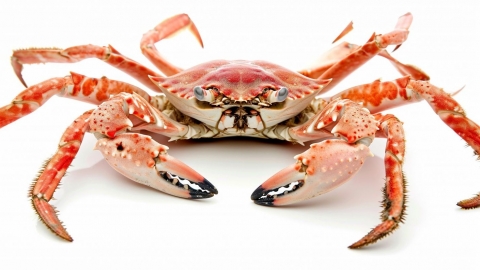
Crab meat is rich in protein. After death, bacteria inside the crab multiply rapidly, breaking down nutrients and producing harmful substances such as histamine. Refrigeration only slows bacterial growth but cannot completely prevent it. Within three days, bacterial levels can reach dangerous levels, potentially causing gastrointestinal symptoms like nausea, vomiting, and diarrhea after consumption.
Even if the crab appears normal after refrigeration—without slimy flesh or unpleasant odor—it cannot be entirely ruled out as spoiled. Some bacteria do not produce obvious odors during proliferation, and toxins like histamine are heat-resistant, meaning they cannot be fully destroyed by cooking and may still pose health risks. Particularly if the crab was not promptly refrigerated after death, spoilage occurs faster and the risk increases significantly.
To ensure both taste and safety, crabs should ideally be cooked and eaten immediately after being killed. If short-term storage is necessary, refrigerate them immediately after death and do not store for more than 24 hours. Carefully inspect before consumption; discard the crab if there are signs of slimy flesh, foul odor, or softening shell. During cooking, ensure thorough heating to minimize food safety hazards.


