


How many days of taking procaterol hydrochloride are effective?
Dec 09, 2025
Source: Cainiu Health

Dr. Ren Yi
Introduction
Procaterol hydrochloride usually shows effects within 1 to 3 days after administration. Most patients experience relief from symptoms such as coughing and wheezing after 1 to 2 days of taking the medication. The exact duration of treatment depends on the type and severity of the condition. If symptoms do not improve or worsen after 5 days of use, it is recommended to seek medical advice promptly for adjustment of the treatment plan. Procaterol hydrochloride is a bronchodilator.
Procarbuthyl hydrochloride usually shows effects within 1 to 3 days after administration. Most patients experience relief from symptoms such as coughing and wheezing after 1–2 days of taking the medication. The exact duration of treatment depends on the type and severity of the condition. If symptoms do not improve or worsen after 5 days of use, it is recommended to seek medical advice promptly to adjust the treatment plan.
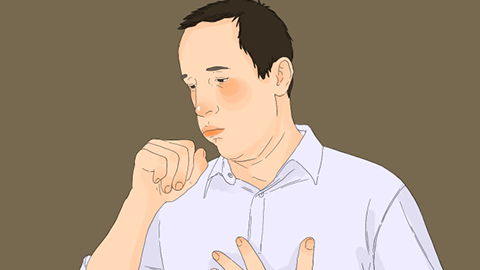
Procarbuthyl hydrochloride is a bronchodilator that rapidly relaxes bronchial smooth muscles and relieves airway spasms. It is indicated for wheezing and coughing caused by asthma, chronic bronchitis, and similar conditions. After oral administration, the drug is quickly absorbed and reaches peak blood concentration rapidly, enabling prompt therapeutic action.
Patients with mild airway spasms may notice significant symptom improvement after just one day of treatment. Those with moderate to severe symptoms or chronic conditions may require continuous use for 2–3 days before symptoms gradually stabilize. It is essential to strictly follow the recommended dosage and avoid adjusting the dose independently, as this may affect treatment efficacy.
During treatment, ensure good indoor ventilation, avoid allergens such as pollen and dust, drink plenty of warm water to soothe the respiratory tract, and reduce intake of spicy and greasy foods. Maintain regular作息 (daily routines), avoid fatigue, get adequate rest to support recovery, and refrain from smoking or exposure to secondhand smoke, which can irritate the airways.


