


Why is there more phlegm now when there was none before?

Pregnant women experiencing dry cough followed by excessive phlegm may be due to insufficient water intake, environmental irritants, acute bronchitis, sinusitis, or early-stage pneumonia. Symptoms can be improved by increasing fluid intake, avoiding irritants, and medical treatment. If the phlegm is thick and accompanied by fever or shortness of breath, prompt medical attention is necessary.
1. Insufficient hydration: A dry throat caused by inadequate fluid intake may lead to increased mucus secretion from the respiratory mucosa in an attempt to dilute irritants, resulting in excess phlegm. It is recommended to drink warm water frequently in small amounts to keep the respiratory mucosa moist and facilitate phlegm expulsion.
2. Environmental irritation: Exposure to smoke, dust, or other irritants triggers defensive mucus secretion from the respiratory mucosa, leading to increased phlegm and worsened coughing. It is advised to avoid irritating environments, wear masks for protection, and maintain appropriate indoor humidity.
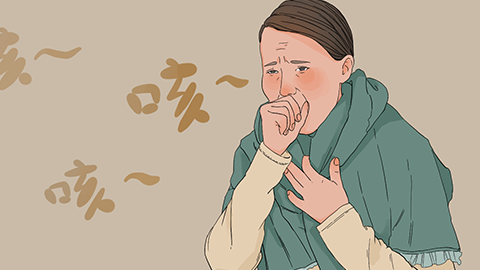
3. Acute bronchitis: Inflammation caused by viral or bacterial infection of the bronchi increases mucosal secretions, forming phlegm, often accompanied by cough and chest tightness. Under medical guidance, medications such as Jizhi Syrup, Cefixime Capsules, or Ambroxol Oral Solution may be used to relieve symptoms.
4. Sinusitis: Inflammatory secretions from infected sinuses drain backward into the throat, stimulating excessive phlegm production, along with nasal congestion and runny nose. Patients may use saline nasal sprays, Cefuroxime Axetil Tablets, or Biyuan Tongqiao Granules under medical supervision to alleviate discomfort.
5. Early-stage pneumonia: Lung infections increase alveolar secretions that form phlegm expelled during coughing, possibly accompanied by mild fever and fatigue. As directed by a physician, medications such as Amoxicillin Capsules, Chuanbei Pipa Paste, or Acetylcysteine Granules may help improve symptoms.
Maintain clean and well-ventilated indoor air, follow a light and easily digestible diet, consume more lung-moistening foods such as pears and white fungus, maintain regular sleep patterns avoiding late nights, and engage in moderate walking to enhance immunity and reduce respiratory discomfort.


