


What causes coughing after getting angry, and how to treat it?

Coughing after getting angry may be caused by emotional stimulation, airway mucosal sensitivity, allergic bronchitis, chronic pharyngitis, gastroesophageal reflux, and other factors. Symptoms can be improved through emotional regulation, avoiding irritants, and medication. If the cough persists or is accompanied by wheezing or chest pain, prompt medical attention is necessary.
1. Emotional stimulation: During anger, emotional agitation leads to rapid and irregular breathing, causing excessive airflow to irritate the throat and airways, resulting in reflexive coughing. Symptoms usually subside once emotions stabilize. It is recommended to calm down promptly using deep breathing or distraction techniques and avoid intense emotional fluctuations.
2. Airway mucosal sensitivity: Individuals with inherently sensitive airway mucosa may experience heightened sensitivity due to hormonal changes during anger, triggering coughing—typically dry and non-productive—when exposed to airflow. It is advised to minimize emotional fluctuations and avoid exposure to cold air, dust, and other irritants; wearing a mask outdoors can provide protection.
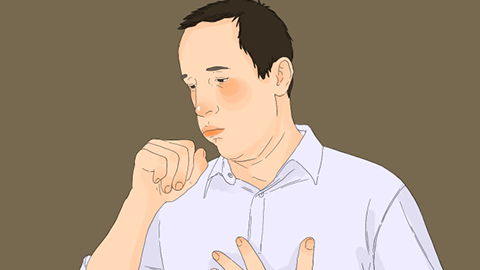
3. Allergic bronchitis: The airways exhibit hyperresponsiveness to emotional stress and environmental stimuli. Anger may trigger airway spasms, leading to coughing accompanied by chest tightness, wheezing, and sputum production. Under medical guidance, patients may use medications such as salbutamol aerosol, budesonide suspension, and montelukast sodium chewable tablets to alleviate symptoms.
4. Chronic pharyngitis: Long-term inflammation keeps the throat in a hypersensitive state. Emotional fluctuations during anger worsen pharyngeal congestion, causing irritative coughing along with dryness and a sensation of a foreign body in the throat. Under medical supervision, patients may use herbal remedies such as Qinghou Lixian granules, watermelon frost lozenges, or Pudilan anti-inflammatory oral liquid to relieve discomfort.
5. Gastroesophageal reflux: Anger can disrupt gastrointestinal function, causing stomach acid to reflux and irritate the throat and airways, resulting in coughing accompanied by acid regurgitation, heartburn, and retrosternal discomfort. Patients should follow medical advice to take medications such as omeprazole enteric-coated capsules, domperidone tablets, or hydrotalcite chewable tablets to improve symptoms.
Maintain indoor air humidity and ventilation, avoid exposure to油烟, odors, and other irritants, eat a light and easily digestible diet, reduce intake of spicy and greasy foods, maintain regular sleep patterns, learn emotional regulation techniques, and reduce the frequency of anger to lower the risk of coughing episodes.


