What foods should not be eaten with fish?
Dec 09, 2025
Source: Cainiu Health

Dr. Huang Yuhong
Introduction
Foods that should not be eaten with fish include those high in oxalic acid, spicy and irritating foods, raw or cold foods, high-purine foods, and greasy or heavy foods. Consuming these together with fish may pose health risks. If symptoms such as abdominal pain, vomiting, rashes, or blood in the urine occur after eating, prompt medical attention is necessary. Examples of high-oxalate foods include spinach, amaranth, and bamboo shoots, which contain oxalic acid.
Foods that should not be consumed with fish include those high in oxalic acid, spicy and irritating foods, raw or cold foods, high-purine foods, and greasy, heavy foods. Consuming these together with fish may pose health risks. If symptoms such as abdominal pain, vomiting, or rashes occur after eating, medical attention should be sought promptly.
1. High-oxalate foods: Such as spinach, amaranth, and bamboo shoots. The oxalic acid in these foods can bind with calcium in fish meat, impairing calcium absorption efficiency and potentially forming calcium oxalate crystals, which increases the metabolic burden on the urinary system—particularly risky for individuals with a history of kidney stones.
2. Spicy and irritating foods: Such as chili peppers, Sichuan peppercorns, and raw garlic. These can directly irritate the gastrointestinal mucosa. When combined with fish protein, they may disrupt normal gastrointestinal motility, leading to discomfort such as bloating and diarrhea. They may also exacerbate inflammatory responses in the throat and hinder recovery.
3. Raw or cold foods: Such as iced water, sashimi, and cold salads. These can reduce the activity of digestive enzymes in the gastrointestinal tract, slowing down the breakdown and absorption of nutrients from fish, potentially causing indigestion. Additionally, the low temperature may trigger spasms in gastrointestinal smooth muscles, leading to abdominal pain.
4. High-purine foods: Such as organ meats, seafood, and rich broths. When consumed with fish, they can elevate uric acid levels in the body, increasing the risk of gout attacks. Individuals with hyperuricemia or gout should strictly avoid such combinations.
5. Greasy and heavy foods: Such as fatty meats, fried foods, and cream-based products. Their high fat content prolongs gastric emptying time. When eaten with fish, they may overload the gastrointestinal system, causing discomfort like nausea and bloating, and may interfere with balanced nutrient absorption.
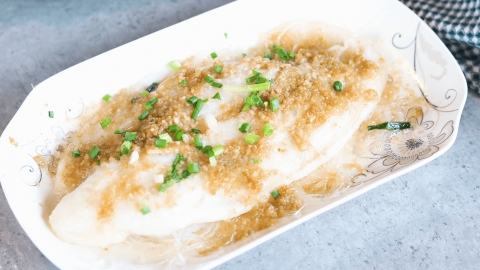
When consuming fish regularly, choose fresh ingredients and use mild cooking methods such as steaming or boiling to ensure thorough cooking. Pair fish with vitamin-rich vegetables like broccoli and carrots, as well as whole grains. Chew slowly, control portion sizes, maintain stable gastrointestinal function, and promote efficient nutrient absorption.