


What medication should I take if I have blood in my phlegm due to a cold?

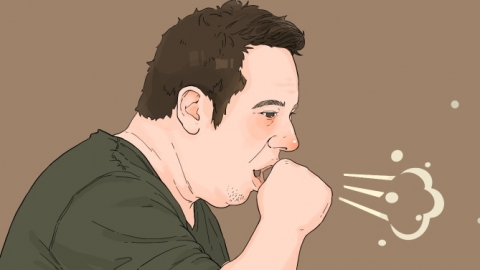
Blood in sputum due to a cold should be treated with appropriate medications based on the underlying cause, including anti-infective agents, antitussives and expectorants, hemostatic drugs, heat-clearing and detoxifying medicines, and mucosal protective agents. The exact cause must be identified before starting treatment. If blood in the sputum persists for more than three days, the amount of bleeding increases, or is accompanied by worsening chest pain or fever, immediate medical attention is required.
1. Anti-infective agents: For cold-related inflammation caused by bacterial infection, such as amoxicillin-clavulanate potassium tablets or cefuroxime axetil capsules. These inhibit bacterial growth and reduce congestion of the respiratory mucosa, thereby decreasing factors that lead to bleeding. Allergy risks must be ruled out before use.
2. Antitussives and expectorants: To relieve severe coughing that can damage the mucosal lining, such as ambroxol oral solution or acetylcysteine capsules. These help liquefy sputum and promote its expulsion, preventing increased bleeding from forceful coughing.
3. Hemostatic drugs: For minor bleeding symptoms, such as Yunnan Baiyao capsules. These work by constricting blood vessels and promoting coagulation to improve blood-tinged sputum. They should not be used long-term without medical supervision.
4. Heat-clearing and detoxifying medicines: Suitable for sore throat and mucosal congestion caused by wind-heat type colds, such as Pudilan Xiaoyan tablets. These reduce inflammatory responses and associated bleeding, but should be used according to proper TCM pattern differentiation.
5. Mucosal protective agents: Such as Kangfuxin liquid, which promotes repair of the respiratory mucosa and reduces bleeding caused by inflammatory irritation, helping to alleviate symptoms.
In daily life, maintain appropriate indoor humidity, drink plenty of warm water to soothe the throat, avoid spicy and dry foods that may irritate the airways, refrain from strenuous exercise and excessive talking, and ensure adequate rest. Gentle care and lifestyle adjustments can support recovery.


