


How much purine in beef can be removed by blanching?

Generally, blanching can remove approximately 30% to 50% of the purines present in beef. If you have concerns, it is advisable to consult a healthcare professional in advance. Detailed analysis is as follows:
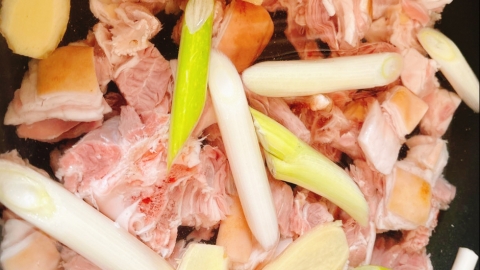
Purines are water-soluble. When beef is blanched, some of the purines dissolve into the water, thereby reducing the purine content in the meat. The purine removal effect is more significant when the blanching time is controlled between three to five minutes, the water remains at a rolling boil, and sufficient water volume is used—removal rates can approach 50%. However, if the blanching time is too short, the water volume insufficient, or the temperature inadequate, the removal rate may be only around 30%.
The purine content varies naturally among different cuts of beef, which also affects the purine reduction efficiency. Cuts with higher fat content tend to release purines more slowly, resulting in slightly less effective removal. Lean cuts, which contain more moisture, allow purines to leach out more easily, achieving relatively higher removal rates. Additionally, the broth left after blanching will have elevated purine levels and should not be consumed by individuals with purine metabolism disorders.
Individuals with purine metabolism abnormalities are advised to thoroughly blanch beef before consumption and to moderate their intake. Ensure the water is boiling vigorously and in sufficient quantity during blanching, and discard the broth afterward. For personalized dietary plans, please consult a qualified physician or nutritionist based on individual health conditions.


