


What are the differences between charred hawthorn and hawthorn?

Generally speaking, the main differences between charred hawthorn (Jiao Shanzha) and raw hawthorn (Shanzha) lie in aspects such as processing methods, properties and meridian tropism, core therapeutic effects, applicable conditions, and contraindicated populations. Although they originate from the same herb, their clinical applications differ significantly due to different processing techniques. A detailed analysis is as follows:
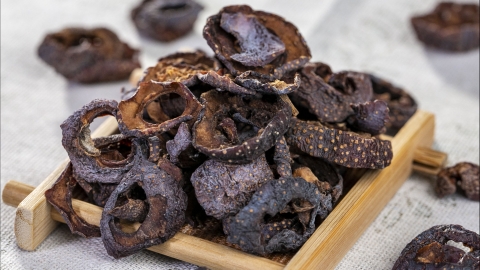
1. Processing Methods: Hawthorn (Shanzha) refers to the dried ripe fruit of Crataegus pinnatifida Bge. or Crataegus pinnatifida Bge. var. major N. E. Br., a member of the Rosaceae family. After harvest, it is cleaned, sliced, and dried. Charred hawthorn (Jiao Shanzha), on the other hand, is prepared by taking clean hawthorn slices and stir-frying them in a container over medium heat until the surface turns dark brown and the interior becomes yellowish-brown. A small amount of water is then sprayed to extinguish any sparks, after which the product is removed and dried. The key difference lies in whether the herb has undergone stir-frying over medium heat.
2. Properties and Meridian Tropism: Raw hawthorn has a sour and sweet taste and is slightly warm in nature, entering the spleen, stomach, and liver meridians. After stir-frying, charred hawthorn's sourness decreases while bitterness increases, making its nature milder—still slightly warm but more balanced. It primarily enters the spleen, stomach, and liver meridians, with a stronger emphasis on the spleen and stomach meridians.
3. Core Therapeutic Effects: The primary functions of raw hawthorn are promoting digestion and resolving food stagnation, as well as activating blood circulation and removing blood stasis. It is particularly effective for indigestion caused by meat and greasy foods. Due to the milder nature after stir-frying, charred hawthorn focuses more specifically on digestive functions related to the spleen and stomach, and gains additional effects of stopping diarrhea and dysentery. However, its ability to invigorate blood and resolve stasis is significantly reduced compared to raw hawthorn.
4. Applicable Conditions: Raw hawthorn is suitable for conditions such as food accumulation (especially from meat), abdominal distension, menstrual obstruction due to blood stasis, postpartum blood stasis, stabbing pain in the chest and abdomen, hernia pain, and can also be used for hyperlipidemia. Charred hawthorn is more appropriate for cases of spleen deficiency with food stagnation, indigestion, and symptoms such as abdominal pain with diarrhea or dysentery, especially in children with spleen deficiency who suffer from food accumulation accompanied by diarrhea.
5. Contraindicated Populations: Both forms should be used cautiously in individuals with excessive stomach acid. Since raw hawthorn has a stronger sour taste, it may aggravate acidity; charred hawthorn, with reduced sourness, tends to cause fewer adverse reactions in such patients. Additionally, pregnant women should use raw hawthorn with caution due to its blood-activating effects, which might affect fetal stability. In contrast, because charred hawthorn has diminished blood-activating properties, it may be used cautiously under medical supervision during pregnancy if needed.
When using either form, attention should be paid to contraindications and precautions. Selection should be based on accurate pattern differentiation according to the specific condition, avoiding blind use. Proper dosage and administration must be strictly followed to ensure safety and effectiveness in treatment or调理 (regulation).


