


What are the symptoms of bladder qi deficiency?
Dec 10, 2025
Source: Cainiu Health

Dr. Sun Lianqing
Introduction
Under normal circumstances, the core symptoms of bladder qi deficiency include frequent urination, urinary incontinence, weak urination, clear and copious urine, and a sensation of heaviness or distension in the lower abdomen, mostly due to diminished bladder qi transformation function and loss of urinary control. When managing symptoms of bladder qi deficiency, it is important to observe relevant contraindications and precautions, such as avoiding holding urine, exposure to cold, and consuming raw or cold foods. Strengthening the spleen and nourishing the kidneys can help regulate overall constitution.
Under normal circumstances, the core symptoms of bladder qi deficiency include frequent urination, enuresis, weak urination, clear and copious urine, and a sensation of heaviness or distension in the lower abdomen. These are primarily caused by diminished bladder qi transformation function and loss of urinary control. A detailed analysis is as follows:
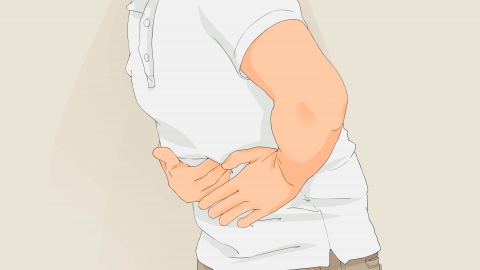
1. Frequent urination: Characterized by a significant increase in the number of urinations—more than six times during the day and frequent nighttime awakenings to urinate. The primary cause is weakened bladder control due to qi deficiency, resulting in an inability to effectively store urine. Even small amounts of accumulated urine can trigger the urge to urinate.
2. Enuresis: Commonly seen in children or adults with weak constitutions,表现为 involuntary urination during sleep. At night, when yang energy is naturally weaker, individuals with bladder qi deficiency experience further decline in urinary control, making it difficult to prevent urination. This is often accompanied by deep sleep and difficulty waking up.
3. Weak urination: A sensation of poor urine flow, short stream, thin urine stream, and sometimes the need to strain during urination. This results from insufficient propulsive force due to bladder qi deficiency and reduced bladder contractility, often leading to a feeling of incomplete voiding.
4. Clear and copious urine: Urine appears pale yellow or colorless and transparent, with increased volume. Bladder qi deficiency impairs the body's ability to concentrate urine due to dysfunctional qi transformation, leading to excessive water content in the urine. This is often associated with symptoms of yang deficiency such as aversion to cold and cold hands and feet.
5. Lower abdominal heaviness and distension: A sensation of fullness and downward pressure in the lower abdomen, which may slightly improve after urination but does not resolve completely. This occurs because deficient bladder qi fails to provide adequate lifting support, and urinary retention irritates the area, disrupting local qi circulation and causing the sensation of heaviness.
When managing symptoms of bladder qi deficiency, it is important to observe relevant contraindications and precautions: avoid holding urine, exposure to cold, and reduce intake of raw or cold foods. Strengthening the spleen and nourishing the kidneys can help regulate overall constitution. Strict adherence to proper调理 methods is essential to ensure effective improvement.



