


What fruits should not be eaten with red wine

Generally, when drinking red wine, one should be particularly cautious about pairing it with fruits. Fruits that are not recommended include persimmons, durian, lychee, hawthorn, and mango. The specific reasons are as follows:
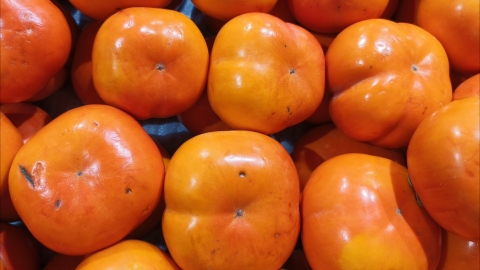
1. Persimmon: Persimmons contain a high amount of tannins. Consuming persimmons with red wine may cause tannins to react with alcohol and proteins in the wine, forming indigestible precipitates that can easily lead to gastrointestinal discomfort such as bloating, abdominal pain, and nausea.
2. Durian: Durian is a high-calorie, high-fat fruit containing unique compounds that may affect the metabolism rate of alcohol. Eating durian together with red wine can result in alcohol accumulation in the body, intensifying intoxication and increasing the digestive burden on the gastrointestinal tract.
3. Lychee: Lychees have an extremely high sugar content. When consumed with red wine, the excessive sugar may interact with alcohol, irritating the gastric mucosa and potentially causing acid reflux and a burning sensation in the stomach—especially noticeable among individuals with sensitive digestive systems.
4. Hawthorn: Hawthorn has a sour taste and contains significant amounts of fruit acids, which stimulate gastric acid secretion. Since red wine also irritates the gastric mucosa, consuming both together may amplify this irritation, leading to stomach pain and gastrointestinal discomfort.
5. Mango: Mango is a fruit commonly associated with allergic reactions. Some people are inherently allergic to mango, and alcohol may lower the body's resistance, thereby exacerbating allergic responses. Additionally, the coarse dietary fiber in mangoes may increase the burden on gastrointestinal motility when consumed with red wine.
When drinking red wine, it is better to pair it with mild fruits such as strawberries and blueberries. Avoiding unsuitable fruits allows for a more enjoyable drinking experience while minimizing adverse effects on the body.


