


What traditional Chinese herbs can strengthen the kidneys and reduce urinary frequency?

Generally, there are many traditional Chinese herbs that have the effect of reinforcing the kidney and reducing urinary frequency. Commonly used ones include Yizhiren (Alpinia oxyphylla), Wuyao (Lindera aggregata), Chinese yam (Dioscorea opposita), Euryale ferox seed (Qianshi), and Rosa laevigata fruit (Jinyingzi). These are suitable for conditions such as frequent urination and enuresis caused by unstable kidney qi. A detailed analysis is as follows:
1. **Yizhiren (Alpinia oxyphylla)**: Warm in nature and pungent in taste, Yizhiren has the functions of warming the kidneys, consolidating essence, reducing urination, warming the spleen, stopping diarrhea, and controlling saliva production. It is especially suitable for frequent urination, enuresis, spermatorrhea, and turbid urine caused by kidney qi deficiency. By warming the kidney qi, it enhances the bladder's ability to control urination and reduces urinary frequency.
2. **Wuyao (Lindera aggregata)**: Also warm and pungent, Wuyao promotes the flow of qi to relieve pain and warms the kidneys to dispel cold. It helps to unblock the kidney meridian, disperse cold, and alleviate pain, while also supporting kidney consolidation and reducing urination. It is commonly used for frequent urination due to kidney deficiency or dysuria caused by cold-damp obstruction, and is often combined with other herbs that reduce urinary frequency.
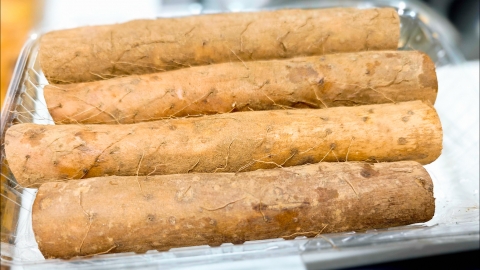
3. **Chinese Yam (Dioscorea opposita)**: Neutral in nature and sweet in taste, it tonifies the spleen and stomach, generates body fluids, benefits the lungs, and strengthens the kidney while astringing essence. It reinforces kidney qi and helps control urinary leakage. Suitable for individuals with both kidney qi deficiency and spleen-stomach weakness, it can help relieve symptoms such as frequent urination and enuresis. It can be consumed daily in porridge or combined with other medicinal herbs.
4. **Euryale Ferox Seed (Qianshi)**: Neutral in nature and sweet-astringent in taste, it benefits the kidney and consolidates essence, tonifies the spleen to stop diarrhea, and eliminates dampness to halt leukorrhea. Its astringent property strengthens the kidney’s retaining function and reduces urinary leakage. It is effective for frequent urination, enuresis, and spermatorrhea caused by kidney qi instability.
5. **Rosa Laevigata Fruit (Jinyingzi)**: Neutral in nature and sour-sweet-astringent in taste, it has effects of consolidating essence and reducing urination, securing the uterus to stop excessive discharge, and astringing the intestines to stop diarrhea. It acts directly on the kidneys and bladder, providing an astringent effect to reduce frequent urination and enuresis. It also helps regulate spermatorrhea, nocturnal emission, and excessive vaginal discharge in women.
When using these herbal medicines, attention should be paid to contraindications and precautions to avoid blind use. Individuals with yin deficiency and internal heat should use certain warming herbs cautiously. Herbs should be reasonably combined according to individual constitution, and medical guidance must be strictly followed to ensure safety and effectiveness of treatment.


