


What are the nutritional benefits of freshly dug peanuts?

Generally, freshly dug peanuts, as a common seasonal food, have nutritional value that mainly includes rich high-quality protein, unsaturated fatty acids, abundant vitamins, various minerals, and dietary fiber. The specific analysis is as follows:
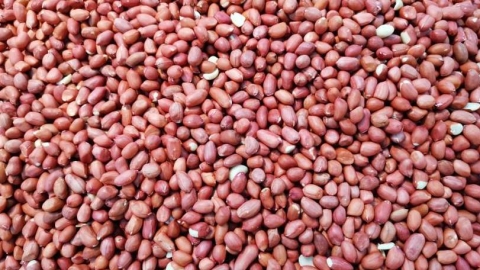
1. Rich in high-quality protein: Fresh peanuts contain abundant plant-based protein with an amino acid profile close to human requirements, making it easily digestible and absorbable. These proteins serve as essential building blocks for muscles and tissue repair, helping supply energy and enhance physical health.
2. Contains unsaturated fatty acids: Fresh peanuts are high in unsaturated fatty acids, especially linoleic acid. These fatty acids help regulate lipid metabolism, reduce the negative effects of saturated fats, and support cardiovascular health.
3. Rich in vitamins: Fresh peanuts contain vitamin E, vitamin K, and B-complex vitamins. Vitamin E acts as a natural antioxidant, protecting cells from damage; B vitamins participate in metabolic processes and help maintain normal nervous system function.
4. Provides various minerals: Fresh peanuts are rich in minerals such as potassium, magnesium, calcium, and phosphorus. Potassium helps maintain electrolyte balance and normal blood pressure; calcium and phosphorus are key components of bones and teeth, supporting skeletal health.
5. Contains dietary fiber: Dietary fiber in fresh peanuts promotes intestinal motility, increases stool volume, helps relieve constipation, and enhances satiety, thereby aiding in weight management.
When consuming fresh peanuts, moderation is important to avoid excessive intake that may cause bloating. Steaming or boiling them with the shell intact is a recommended method to preserve their nutritional value and facilitate better nutrient absorption.


