


What should elderly people pay attention to when drinking tea?

Generally, as a common habit among the elderly, drinking tea involves several key considerations, including controlling tea strength, timing tea consumption appropriately, drinking tea in moderation, choosing suitable tea types, and avoiding tea on an empty stomach. The details are as follows:
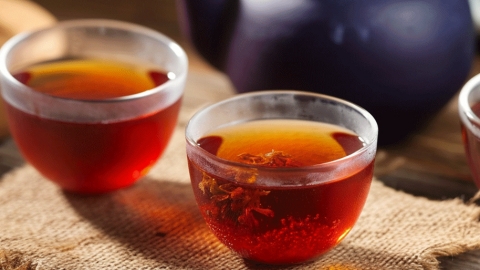
1. Control tea strength: Elderly individuals often have weaker gastrointestinal functions. Strong tea contains high levels of caffeine and theophylline, which can easily irritate the gastrointestinal mucosa and may lead to problems such as increased heart rate and insomnia. It is recommended to drink light tea to reduce bodily stimulation and better enjoy the benefits of tea.
2. Time tea consumption properly: Avoid drinking tea 1–2 hours before bedtime, as the stimulating effect of caffeine may impair sleep quality and cause difficulty falling asleep. Drinking tea about half an hour after meals is ideal, as it aids digestion without interfering with nutrient absorption.
3. Drink tea in moderation: Excessive tea consumption increases the metabolic burden on the kidneys and may lead to fluid retention or edema due to overhydration. Elderly individuals should keep their daily tea intake within a reasonable range, adjusting according to their individual health conditions, and avoid drinking large amounts blindly.
4. Choose appropriate tea types: The elderly should prioritize mild teas such as black tea or ripe Pu-erh, which are gentler and less irritating to the digestive system. They should avoid cold-natured teas like green tea or raw Pu-erh, especially those with cold constitutions who need to be particularly cautious.
5. Avoid drinking tea on an empty stomach: When the stomach is empty, there is no food to buffer the tea, so the liquid can directly irritate the gastric mucosa, potentially causing discomfort, acid reflux, or other symptoms. Long-term tea consumption on an empty stomach may damage the gastric lining and impair normal gastrointestinal function.
Elderly individuals should adapt their tea-drinking habits according to their personal health status and follow scientifically sound practices to enjoy the pleasure of tea while better maintaining their overall health.


