


What foods to eat when you have heavy dampness
Dec 10, 2025
Source: Cainiu Health

Dr. Sun Lianqing
Introduction
In general, individuals with excessive dampness in the body can benefit from consuming foods that strengthen the spleen and eliminate dampness, such as coix seed (yi mi), red beans, winter melon, Chinese yam, and ginger, which help alleviate discomfort caused by internal dampness. When consuming these foods, it is important to be aware of contraindications and precautions, avoid eating large amounts of raw, cold, or greasy foods simultaneously, maintain a balanced diet, and combine healthy eating with moderate exercise.
Generally, people with excessive dampness in the body are advised to eat foods that strengthen the spleen and eliminate dampness, such as coix seed (yi mi), red beans, winter melon, Chinese yam (shan yao), and ginger. These foods can help alleviate discomfort caused by internal dampness. Detailed explanations are as follows:
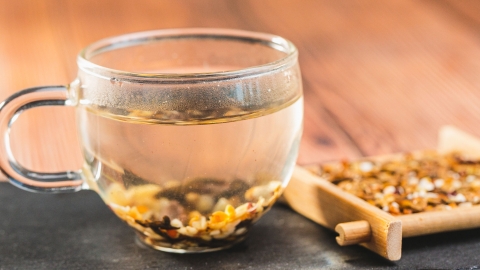
1. Coix Seed (Yi Mi): Coix seed is cool in nature and has the effects of promoting diuresis, removing dampness, strengthening the spleen, and stopping diarrhea. It helps improve water metabolism and expel dampness from the body, making it especially suitable for individuals with excessive dampness who also suffer from diarrhea and a heavy feeling in the body. It can be cooked into porridge or soup, but should be thoroughly cooked before consumption.
2. Red Beans: Red beans are neutral in nature and help promote urination, reduce swelling, detoxify, and drain pus. They assist in increasing urine output and relieving edema caused by dampness. When combined with coix seed, their dampness-removing effect is enhanced. They are suitable for daily use in porridges or mixed grain meals.
3. Winter Melon: Winter melon is cold in nature and has the functions of clearing heat, promoting urination, reducing swelling, and detoxifying. High in water content and low in calories, it helps clear internal damp-heat and relieve bloating and edema caused by excessive dampness. It can be stir-fried or cooked into soups. The melon's skin also has good dampness-eliminating properties.
4. Chinese Yam (Shan Yao): Chinese yam is neutral in nature and helps tonify the spleen and stomach, nourish fluids, and benefit the lungs. Since the spleen plays a key role in metabolizing dampness, Chinese yam strengthens spleen function and thereby reduces the production of dampness at its source. It is especially suitable for those with spleen deficiency and indigestion due to dampness. It can be steamed or cooked into porridge.
5. Ginger: Ginger is warm in nature and helps warm the middle jiao, dispel cold, transform dampness, and stimulate the appetite. It effectively removes cold-dampness from the body and relieves symptoms such as aversion to cold and cold hands and feet in individuals with cold-damp constitutions. Adding ginger to daily cooking or drinking ginger tea can produce effective dampness-transforming results.
When consuming these foods, it is important to pay attention to contraindications and precautions. Avoid consuming large amounts of raw, cold, greasy foods simultaneously. A balanced diet combined with moderate exercise will better regulate a constitution prone to excessive dampness.



