


The difference between Xiao'er Qingfei Huatan Granules and Huanglong Zhike Granules

The differences between Xiao'er Qingfei Huatan Granules and Huanglong Zhike Granules are reflected in aspects such as composition, core effects, indications, dosage instructions, and contraindicated populations. If a child's symptoms do not improve or worsen after taking the medication, prompt medical attention is necessary.
1. Composition: Xiao'er Qingfei Huatan Granules contain traditional Chinese medicinal ingredients such as Ephedra (Mahuang), Bitter Apricot Seed (Kuxingren), and Gypsum (Shigao). In contrast, Huanglong Zhike Granules contain Astragalus (Huangqi), Earthworm (Dilong), Epimedium (Yinyanghuo), among others. There is a clear difference in their herbal formulations.
2. Core Effects: Xiao'er Qingfei Huatan Granules primarily focus on clearing lung heat, resolving phlegm, and relieving cough. Huanglong Zhike Granules mainly aim to tonify qi and the kidneys while clearing the lungs and stopping cough. Their therapeutic emphases differ accordingly.
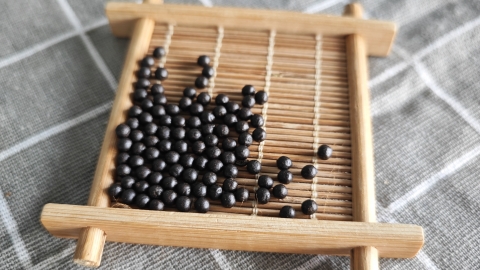
3. Indications: Xiao'er Qingfei Huatan Granules are suitable for cough and excessive phlegm caused by wind-heat colds or lung heat. Huanglong Zhike Granules are indicated for cough due to deficiency of lung and kidney qi combined with retention of phlegm-heat in the lungs. The specific conditions they treat are clearly differentiated.
4. Dosage and Administration: The dose of Xiao'er Qingfei Huatan Granules should be adjusted according to the child’s age and is typically taken orally with hot water. Huanglong Zhike Granules also require age-based dosing, but their administration method and dosage standards differ from the former.
5. Contraindicated Populations: Individuals allergic to any component of Xiao'er Qingfei Huatan Granules should avoid its use. For Huanglong Zhike Granules, contraindications include those with allergies, pregnant women, and children with diabetes—indicating differences in contraindicated groups.
In daily care, ensure good air circulation in the child’s environment, provide adequate warm water appropriately, avoid exposure to irritants such as smoke and dust, maintain a light and easily digestible diet, and reduce intake of spicy and greasy foods to support respiratory recovery.


