


What are the ten manifestations of damp-heat in the spleen and stomach in children?

There is no such concept as "the top ten manifestations of spleen and stomach damp-heat in children." Common symptoms of spleen and stomach damp-heat in children include loss of appetite, abnormal bowel movements, oral symptoms, abdominal discomfort, and skin problems. If symptoms persist for more than one week or are accompanied by fever, vomiting, or similar conditions, prompt medical evaluation is recommended.
1. Loss of Appetite: Impaired spleen and stomach function leads to poor interest in food; even favorite foods may be unappealing. Children may feel bloated after eating and may develop picky eating or refusal to eat, which over time can affect nutrient absorption.
2. Abnormal Bowel Movements: Stools are sticky and difficult to pass, often adhering to the toilet bowl and hard to flush away. Some children may experience diarrhea or increased frequency of bowel movements. Stool color tends to be yellowish-brown and may contain small amounts of mucus.
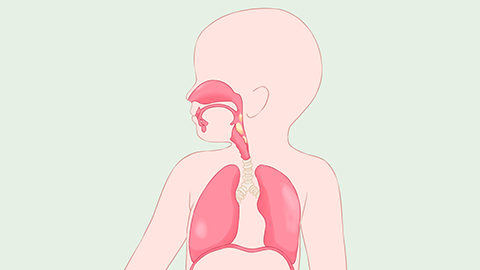
3. Oral Symptoms: Oral mucosa may appear reddish, with thick, greasy yellowish-white tongue coating. Bad breath is common, especially upon waking. Some children may suffer from recurring angular cheilitis or oral ulcers.
4. Abdominal Discomfort: Children often complain of abdominal fullness or dull pain, with discomfort worsening upon pressure. Symptoms may include belching and increased flatulence. Some may also experience nausea or mild vomiting.
5. Skin Problems: Oily skin, with rashes such as eczema or prickly heat commonly appearing on the face, chest, and back. Rashes are typically red and itchy; scratching may lead to infection, and symptoms tend to recur and are slow to resolve.
For daily care, maintain a light diet and avoid spicy, greasy, or overly sweet foods. Increase intake of fruits and vegetables that clear heat and remove dampness, and control portion sizes to prevent overeating. Ensure adequate sleep, encourage moderate outdoor activities to support healthy spleen and stomach function, and keep the skin clean and dry to reduce accumulation of damp-heat.


