


What to do if you took a bath after cupping

Under normal circumstances, after cupping therapy, pores are open and taking a bath immediately may make one susceptible to dampness and cold, potentially causing discomfort. This can be remedied by promptly drying and keeping warm, applying heat to the cupped areas, drinking warm beverages, moderately using moxibustion to dispel cold, and avoiding further irritation. Specific measures are as follows:
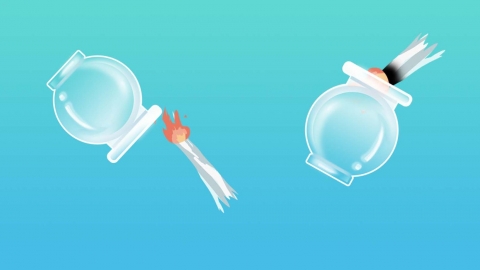
1. Promptly dry off and keep warm: Immediately after bathing, use a dry towel to thoroughly dry the body, especially the cupped areas. Change into dry, warm clothing and avoid exposure to wind or cold drafts to prevent further invasion of damp-cold pathogens.
2. Apply heat to cupped areas: Use a warm hot water bottle or heated towel on the cupped sites for 15–20 minutes per session. This helps improve local blood circulation, promotes closure of open pores, and relieves soreness or heaviness that may result from chilling.
3. Drink warm beverages: Consuming moderate amounts of warm drinks such as ginger and brown sugar water or red date tea can warm the body, expel cold, replenish fluids, and support healthy flow of qi and blood, thereby reducing discomfort caused by damp-cold.
4. Moderate moxibustion to dispel cold: If moxibustion tools are available at home, apply moxibustion to acupoints such as Zusanli (ST36), Guanyuan (CV4), and Zhongwan (CV12) for 5–10 minutes each. The warming effect of moxibustion helps eliminate internal dampness and cold and supports recovery.
5. Avoid further irritation: During recovery, avoid showering or washing hair again, refrain from contact with cold water, and do not engage in strenuous exercise. Minimize physical strain so the body can focus its energy on resisting damp-cold invasion and reduce the risk of worsening symptoms.
After cupping, it is recommended to wait 4–6 hours before bathing, and when doing so, opt for a shower with lukewarm water rather than cold. If significant discomfort persists after taking these corrective steps, additional therapeutic measures should be sought promptly.


