


What causes discomfort in the upper abdomen?

Discomfort in the epigastric region (middle脘) usually refers to an uncomfortable sensation in the upper abdomen or stomach area. It may be caused by improper diet, cold exposure to the abdomen, chronic gastritis, gastric ulcer, or functional dyspepsia. Symptoms can be improved through dietary adjustments, keeping the abdomen warm, and medication. If pain worsens or is accompanied by acid reflux or black stools, prompt medical attention is necessary.
1. Improper diet: Overeating or consuming excessive spicy, raw, or cold foods can irritate the gastric mucosa, causing discomfort such as bloating or dull pain. It is recommended to eat regularly, have smaller meals more frequently, and avoid spicy, raw, cold, or hard-to-digest foods.
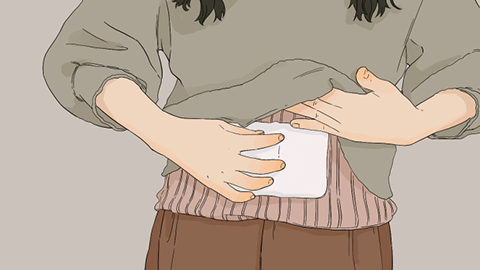
2. Cold exposure to the abdomen: Inadequate warmth in the abdominal area allows cold pathogens to stimulate spasms of gastrointestinal smooth muscles, leading to pain in the epigastric region, possibly accompanied by diarrhea. Applying a hot water bag to the epigastrium, dressing warmly, and drinking warm ginger-date tea are advised.
3. Chronic gastritis: Chronic inflammation of the gastric mucosa caused by Helicobacter pylori infection or long-term irritation results in persistent dull pain and acid reflux in the epigastrium, with symptoms worsening after eating. Under medical guidance, medications such as omeprazole enteric-coated capsules, amoxicillin capsules, and hydrotalcite chewable tablets may be used to relieve symptoms.
4. Gastric ulcer: Ulcers form due to damage to the gastric mucosa; stomach acid irritating the ulcer site causes rhythmic epigastric pain, typically occurring 30 minutes to one hour after meals. Patients may follow medical advice to use lansoprazole enteric-coated tablets, clarithromycin dispersible tablets, and bismuth potassium citrate capsules to alleviate discomfort.
5. Functional dyspepsia: Insufficient gastrointestinal motility leads to impaired digestion, resulting in epigastric fullness, belching, and reduced appetite. Under medical supervision, medications such as domperidone tablets, Jianwei Xiaoshi tablets (digestive aid), and Bifidobacterium triple viable capsules may be used to improve symptoms.
Daily care should include maintaining a light and easily digestible diet, eating at regular times and in moderate amounts, and avoiding staying up late and excessive fatigue.


