


What does "hormone-containing foods" refer to?

Hormone-containing foods refer to those that naturally contain hormones or have hormones artificially added. These hormones can affect the human endocrine system, and excessive intake may disrupt normal physiological functions. If symptoms related to endocrine disorders occur after long-term and high consumption, prompt medical evaluation is recommended.
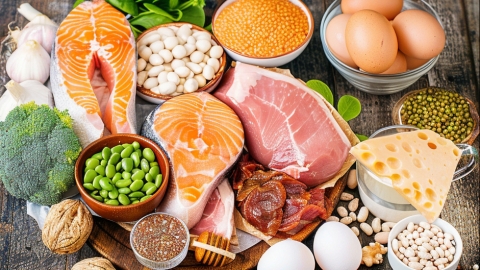
Naturally occurring hormone-containing foods mainly come from animal glands and certain plants. For example, animal tissues such as the thyroid and adrenal glands contain natural animal hormones, and excessive consumption may lead to hormone poisoning. Plants like soybeans and kudzu root contain phytoestrogens, which are weak in hormonal activity but may exert mild effects on the endocrine system of specific populations if consumed in large amounts over a long period.
Foods with artificially added hormones are commonly found in farmed animals and some produce. For instance, certain farmed poultry and livestock may be fed growth hormones to accelerate growth and development, while some off-season fruits and vegetables might be treated with ripening hormones to promote maturation. Residual hormones in these foods may pose potential health risks to humans.
For daily care, it is important to maintain a balanced diet, reduce consumption of meat and produce from unknown sources, and prioritize naturally grown ingredients purchased through reputable channels. Intake of foods containing phytoestrogens should be moderate, avoiding excessive consumption of any single food item. A diverse diet helps minimize potential adverse effects associated with hormone exposure.


