


How many times a week can nori (seaweed) be eaten?

It is recommended to consume nori 2–3 times per week, with each serving size controlled at 10–20 grams. This frequency allows the body to obtain nutritional components from nori such as dietary fiber and iodine, while avoiding health risks associated with excessive intake. If symptoms such as thyroid discomfort or gastrointestinal diarrhea occur after consumption, medical attention should be sought promptly.
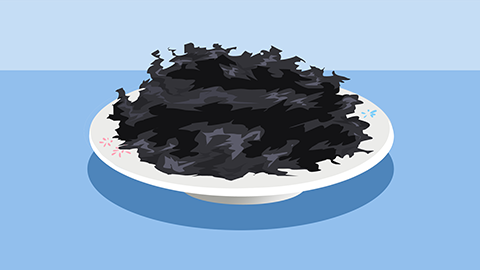
Iodine is a key nutrient in nori; adequate intake supports the synthesis of thyroid hormones. However, overconsumption may lead to excessive iodine intake, potentially worsening conditions in individuals with hyperthyroidism. Even healthy individuals may develop thyroid metabolic abnormalities if intake is excessive. In addition, nori is inherently cool in nature and rich in dietary fiber; excessive consumption may irritate the gastrointestinal tract, leading to bloating, diarrhea, or other digestive discomforts, especially in those with weak digestive function.
From the perspective of nutritional balance, consuming nori 2–3 times weekly enables effective absorption and utilization of its nutrients without interfering with the intake of nutrients from other foods, thus preventing nutritional imbalances caused by over-reliance on a single food source. Special populations such as pregnant women and infants should adjust their intake amounts based on professional advice, even within this recommended frequency.
Before eating nori, it should be thoroughly soaked in water to remove possible surface impurities and excess salt. Preferred cooking methods include soups or cold salads; frying should be avoided to prevent increased burden on the digestive system. Pairing nori with warming ingredients such as ginger or red dates can help neutralize its cooling properties, reduce gastrointestinal irritation, and promote better nutrient absorption.


