What are the differences between rickets and osteomalacia?
Dec 10, 2025
Source: Cainiu Health

Dr. Chen Jian
Introduction
The differences between rickets and osteomalacia generally include age of onset, affected sites, underlying causes, clinical manifestations, and pathophysiological mechanisms. Rickets commonly occurs in children, especially infants and toddlers under 3 years old; during this period, bones develop rapidly and have high nutritional demands, making them susceptible to the disease due to nutritional deficiencies. Osteomalacia primarily affects adults and is associated with metabolic disorders and impaired nutrient absorption.
Rickets and osteomalacia generally differ in terms of age of onset, affected sites, primary causes, clinical manifestations, and pathological mechanisms. A detailed analysis is as follows:
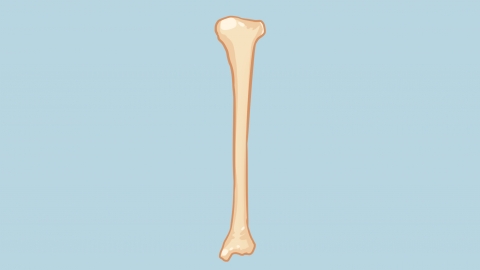
1. Age of onset: Rickets commonly occurs in children, especially infants and toddlers under 3 years old. During this period, bones develop rapidly and have high nutritional demands, making them susceptible to nutritional deficiencies. Osteomalacia primarily affects adults, particularly pregnant women, lactating females, or the elderly, and is associated with metabolic disorders and inadequate nutrient absorption.
2. Affected sites: Rickets mainly impacts the epiphyseal cartilage at the ends of long bones, as well as developing bones in the spine, thorax, and limbs, leading to skeletal deformities. Osteomalacia primarily involves the bone matrix of mature bones throughout the body, impairing bone load-bearing capacity and often causing bone pain and fractures.
3. Primary causes: The core cause of rickets is vitamin D deficiency, which disrupts calcium and phosphorus metabolism and interferes with bone mineralization. In addition to vitamin D deficiency, osteomalacia is also linked to insufficient dietary calcium, phosphorus metabolism disorders, or conditions affecting nutrient absorption and conversion, such as kidney or liver disease.
4. Clinical manifestations: Common skeletal deformities in rickets include pigeon chest, funnel chest, bow legs (O-shaped legs), and knock knees (X-shaped legs), often accompanied by symptoms such as excessive sweating, irritability, and disturbed sleep. Osteomalacia primarily presents with bone pain, muscle weakness, and limited mobility; in severe cases, even minor trauma can result in fractures.
5. Pathological mechanisms: Rickets results from impaired calcification of epiphyseal cartilage and abnormal proliferation of chondrocytes, leading to distorted bone growth. Osteomalacia is characterized by inadequate mineralization of the bone matrix, resulting in softer bone tissue and reduced load-bearing capacity, without obvious skeletal growth deformities.
For both conditions, maintaining a balanced diet rich in vitamin D and calcium is essential, along with regular sun exposure to promote vitamin D synthesis.