


What causes dampness accumulation in the body, and what are its symptoms?

Heavy dampness in the body is usually caused by external dampness invasion, irregular diet, disrupted作息, physical weakness, and damp environments. Common symptoms include bodily heaviness, thick greasy tongue coating, sticky stools, abdominal bloating with loose bowel movements, and oily skin. If symptoms persist and affect daily life, it's recommended to seek medical advice promptly.
1. What Causes Heavy Dampness?
1. External Dampness Invasion: Prolonged exposure to rainy or humid environments allows damp pathogens to invade the body, obstructing qi flow and leading to accumulation of dampness that impairs normal organ function.
2. Irregular Diet: Long-term excessive consumption of raw, cold, greasy, or overly sweet foods damages the spleen and stomach’s digestive and transforming functions, disrupting water metabolism and resulting in internal dampness buildup.
3. Disrupted Sleep Patterns: Chronic late nights and sleep deprivation reduce bodily functions, impairing the spleen and stomach’s ability to transform and transport fluids, thus promoting dampness accumulation.
4. Physical Weakness: Inherently weak digestive function or debilitation after prolonged illness hinders proper transformation and excretion of dampness, allowing it to gradually accumulate in the body.
5. Damp Environment: Living long-term in dark, damp housing or frequent contact with cold water or wet surfaces makes it easier for damp pathogens to enter the body, triggering issues related to excessive dampness.
2. Symptoms of Heavy Dampness
1. Bodily Heaviness: Dampness obstructs the meridians, causing heavy, fatigued limbs and persistent exhaustion during physical activity that is difficult to relieve.
2. Thick Greasy Tongue Coating: A thick white or yellowish greasy coating on the tongue surface is a typical sign of internal dampness accumulation.
3. Sticky Stools: Stool sticks to the toilet bowl and is hard to flush away due to dampness impairing intestinal function and abnormal water content in feces.
4. Abdominal Bloating and Loose Stools: Dampness disturbing the spleen and stomach leads to impaired digestion, causing abdominal fullness, loose and unformed stools, and possibly increased bowel movement frequency.
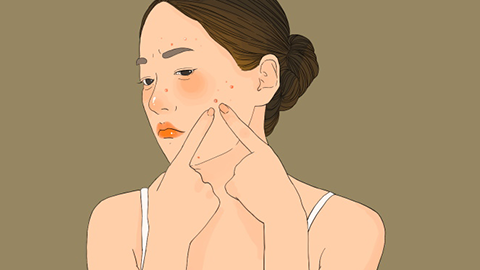
5. Oily Skin: Dampness rising and steaming the skin causes overactive sebaceous glands, resulting in oily skin and increased risk of acne, eczema, and other skin conditions.
Treatment focuses on strengthening the spleen and eliminating dampness. Patients may take spleen-strengthening and dampness-resolving traditional Chinese medicine preparations as directed by a physician. For daily care, maintain a light diet, consume more dampness-resolving foods such as coix seed (yi yi ren) and red beans, avoid raw, cold, greasy foods, maintain regular sleep patterns without staying up late, engage in moderate exercise to promote fluid metabolism, and keep living spaces dry and well-ventilated.


