


What are the nutritional differences between black corn and yellow corn?

Generally speaking, both black corn and yellow corn are high-quality grains, but they differ nutritionally in terms of anthocyanin content, vitamin composition, mineral content, dietary fiber profile, and antioxidant levels. A detailed analysis is as follows:
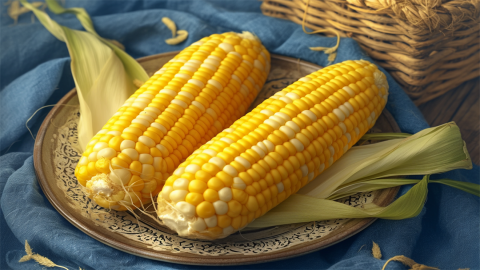
1. Anthocyanin content: Black corn is rich in anthocyanins—a nutrient nearly absent in yellow corn. Anthocyanins have strong antioxidant properties. In contrast, yellow corn mainly contains carotenoids and lacks the nutritional advantages associated with anthocyanins.
2. Vitamin composition: Yellow corn contains significantly higher levels of β-carotene than black corn; β-carotene can be converted into vitamin A in the body. Black corn, however, has slightly higher levels of B-complex vitamins. Each type offers different vitamin strengths.
3. Mineral content: Black corn generally contains higher amounts of minerals such as iron, zinc, and selenium, with particularly notable selenium levels. Yellow corn, on the other hand, has relatively higher potassium content. Thus, their mineral advantages vary.
4. Dietary fiber composition: The total dietary fiber content is similar in both types, but black corn has a higher proportion of soluble dietary fiber, which is more easily digested and absorbed by the body. Yellow corn primarily contains insoluble dietary fiber, which plays a more prominent role in promoting intestinal motility.
5. Antioxidant levels: Due to its content of anthocyanins and phenolic compounds, black corn has significantly higher overall antioxidant levels compared to yellow corn. Yellow corn’s main antioxidants are vitamin E and carotenoids, which offer relatively weaker antioxidant capacity.
When consuming corn, individuals may choose based on their specific nutritional needs. Including both types in the diet can help obtain a more comprehensive range of grain-based nutrients. Additionally, it's important to observe relevant dietary contraindications and precautions to ensure balanced and diverse nutrition.


