


What medication can be used to replace Gunglao leaf?

There is no such thing as "what medicine can replace Mahonia leaves (Gonglao Ye)." Traditional Chinese herbs with effects similar to Mahonia leaves include Ligustrum lucidum fruit (Nüzhenzi),枸杞 (Gouqi, Lycium berries), Cuscuta seeds (Tusizi), Eclipta prostrata (Hanliancao), and Taxillus sutchuenensis (Sangjisheng). Specific use should be based on syndrome differentiation and medical guidance; avoid blind substitution that may cause discomfort. If symptoms persist or worsen, seek medical attention promptly.
1. Ligustrum lucidum fruit (Nüzhenzi): Mainly nourishes the liver and kidneys, improves vision, and promotes dark hair. Suitable for dizziness, blurred vision, and other symptoms caused by deficiency of liver and kidney yin. Its effect of nourishing the liver and kidneys is similar to that of Mahonia leaves, making it a common alternative choice.
2. Lycium berries (Gouqi): Excels at nourishing the liver and kidneys and enriching essence to improve eyesight. It works well for lower back and knee weakness, blurred vision, and other conditions due to insufficient liver and kidney function. With its mild nature, it can serve as a gentle substitute for Mahonia leaves.
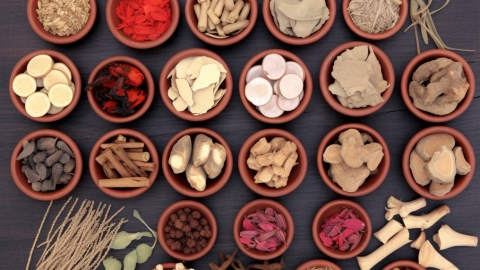
3. Cuscuta seeds (Tusizi): Tonifies the kidneys, benefits essence, nourishes the liver, and improves vision. Suitable for symptoms such as nocturnal emission, premature ejaculation, dim vision, and tinnitus caused by deficiency of the liver and kidneys. Its kidney- and liver-nourishing effects align well with those of Mahonia leaves, allowing targeted substitution.
4. Eclipta prostrata (Hanliancao): Nourishes the liver and kidneys while cooling the blood and stopping bleeding. Suitable for individuals with liver-kidney yin deficiency accompanied by bleeding symptoms. It can replace Mahonia leaves in terms of nourishing the liver and kidneys and has the added benefit of hemostasis.
5. Taxillus sutchuenensis (Sangjisheng): Focuses on dispelling wind-dampness, tonifying the liver and kidneys, and strengthening tendons and bones. Suitable for conditions involving liver-kidney deficiency combined with rheumatic pain and stiffness. In cases requiring both liver-kidney tonification and relief from wind-dampness, it may be used as a substitute for Mahonia leaves.
For daily care, maintain regular作息 (daily routines), avoid staying up late to prevent depletion of liver and kidney essence. Diet-wise, incorporate nourishing foods such as Chinese yam and black beans. Engage moderately in gentle exercises like walking or tai chi, reduce physical strain, and support overall body regulation.


