


What medication is used for cold bone wind?

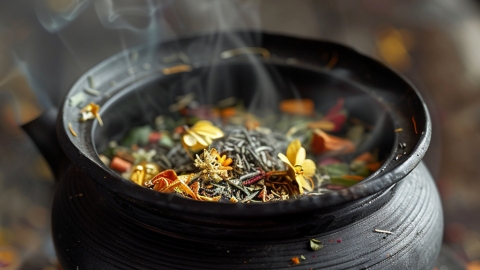
Commonly used traditional Chinese herbs for cold bone wind (arthralgia due to cold and dampness) include Du Huo, Wei Ling Xian, Qin Jiao, Fang Feng, and Gui Zhi. These herbs should be used under the guidance of a qualified physician according to individual diagnosis and should not be taken blindly without medical advice. If symptoms are severe or do not improve after taking the herbs, prompt medical attention is necessary.
1. Du Huo: Warm in nature, with a bitter and pungent taste; it enters the Kidney and Bladder meridians. It dispels wind-dampness, unblocks meridians, and relieves pain. It is suitable for joint pain and limited mobility caused by cold bone wind, especially effective for rheumatic pain in the lower limbs.
2. Wei Ling Xian: Warm in nature, with a pungent and salty taste; it enters the Bladder meridian. It expels wind-dampness, unblocks channels, and resolves phlegm-fluid accumulation. It helps alleviate numbness, stiff joints, and restricted movement caused by cold bone wind.
3. Qin Jiao: Neutral in nature, with a pungent, sweet, and bitter taste; it enters the Stomach, Liver, and Gallbladder meridians. It has the effects of dispelling wind-dampness, clearing damp-heat, and relieving bi syndrome pain. It is suitable for patients with cold bone wind accompanied by signs of damp-heat.
4. Fang Feng: Slightly warm in nature, with a pungent and sweet taste; it enters the Bladder, Liver, and Spleen meridians. It dispels wind, resolves exterior conditions, overcomes dampness, relieves pain, and stops spasms. It provides certain relief for muscle and joint pain caused by cold bone wind.
5. Gui Zhi: Warm in nature, with a pungent and sweet taste; it enters the Heart, Lung, and Bladder meridians. It induces sweating, relaxes muscles, warms and unblocks meridians, and assists yang in transforming qi. It improves symptoms such as cold intolerance, cold limbs, and joint pain caused by cold bone wind.
In daily life, one should keep limbs warm and avoid exposure to cold or chilling environments. Moderate gentle exercise is recommended to promote blood circulation. Avoid prolonged stay in damp environments. In terms of diet, appropriately consume warming foods while reducing intake of raw, cold, and cooling foods to support recovery.


