


Why do I keep having episodes of feeling hot and sweating, and what should I do about it?

Experiencing repeated episodes of heat sensations and sweating may be caused by emotional fluctuations, high environmental temperature, hyperthyroidism, menopausal syndrome, or infection-related fever. These symptoms can be improved through emotional regulation, environmental adjustments, and medical treatment. If symptoms occur frequently or are accompanied by weight loss or palpitations, prompt medical attention is necessary.
1. Emotional fluctuations: Sudden strong emotions such as tension or anxiety can activate the sympathetic nervous system, leading to blood vessel dilation and increased sweat gland activity, resulting in transient feelings of heat and sweating. It is recommended to calm emotions using deep breathing or meditation, avoid extreme emotional swings, and reduce triggering factors.
2. High environmental temperature: Being in a hot, stuffy environment or wearing excessively thick clothing can impair the body's ability to dissipate heat, causing episodic heat and sweating. It is advisable to adjust the ambient temperature, wear breathable clothing, open windows for ventilation, and promote effective body cooling.
3. Hyperthyroidism: Excessive secretion of thyroid hormones accelerates metabolism and increases heat production, leading to persistent heat intolerance and episodic excessive sweating, often accompanied by palpitations and hand tremors. Under medical guidance, medications such as methimazole tablets, propylthiouracil tablets, and propranolol tablets may be used to manage symptoms.
4. Menopausal syndrome: As women experience ovarian decline and hormonal fluctuations, vascular dysregulation occurs, resulting in episodic hot flashes and sweating, often accompanied by insomnia and irritability. Patients may use medications such as oryzanol tablets, nilestriol tablets, or Kuntai capsules under medical supervision to relieve discomfort.
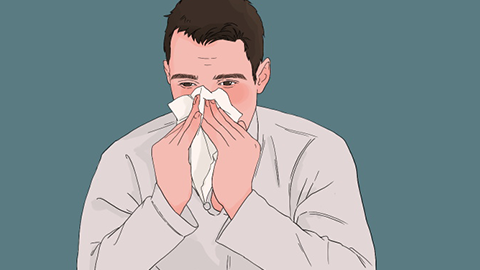
5. Infection-related fever: Bacterial or viral infections can elevate body temperature. During the rising phase of fever, chills commonly occur, while heat sensations and episodic sweating appear during defervescence, often accompanied by fatigue and sore throat. Symptom management may include medications such as ibuprofen sustained-release capsules, acetaminophen tablets, or Lianhua Qingwen capsules, used according to medical advice.
In daily life, maintain comfortable indoor temperature and humidity, wear loose, breathable cotton clothing, follow a light diet rich in fruits and vegetables, drink plenty of water to stay hydrated, engage in moderate exercise to strengthen physical health, and maintain regular sleep patterns and a positive mindset to reduce symptom occurrence.


