


What causes cold sweats and feeling cold after drinking alcohol?

Experiencing cold sweats and feeling cold after drinking alcohol is mainly caused by alcohol's effect on the body's temperature regulation center, increased heat loss due to blood vessel dilation, hypoglycemic reactions, reduced blood volume from dehydration, or worsening of underlying medical conditions. If symptoms such as confusion, low blood pressure, or difficulty breathing occur, immediate medical attention is required.
1. Alcohol affects the thermoregulatory center: Alcohol inhibits the hypothalamus' ability to regulate body temperature, reducing heat production while increasing heat loss, leading to thermal imbalance. This results in symptoms such as chills, cold sweats, and a cold sensation in the body, commonly seen after excessive alcohol consumption.
2. Increased heat dissipation from vasodilation: Alcohol causes dilation of blood vessels near the skin surface and accelerates blood circulation, resulting in significant heat loss. When the body cannot generate heat quickly enough to compensate, symptoms such as chills, cold sweats, and cold extremities may develop.
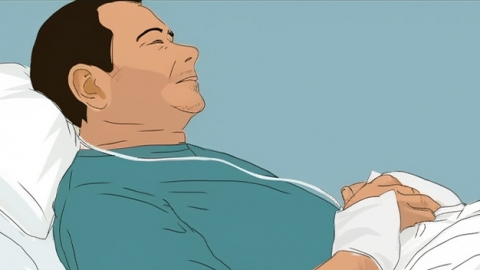
3. Hypoglycemic reaction: Alcohol interferes with liver glycogen breakdown and gluconeogenesis. If food is not consumed promptly after drinking, it can lead to hypoglycemia, causing insufficient energy supply and symptoms including cold sweats, cold body sensation, dizziness, and weakness.
4. Dehydration-induced hypovolemia: Alcohol has a diuretic effect, causing substantial fluid loss from the body. This reduces blood volume, impairs circulation, and decreases blood supply to limbs, leading to cold sweats and a cold body sensation.
5. Worsening of underlying diseases: Individuals with pre-existing conditions such as cardiovascular disease or hypothyroidism may experience exacerbation of their condition after drinking, affecting circulation and metabolism and triggering symptoms like cold sweats and feeling cold.
Treatment: Promptly drink warm water or oral rehydration salts to correct dehydration, consume appropriate amounts of sugary foods to relieve hypoglycemia, maintain warmth to prevent further chilling, allow the body adequate rest to promote alcohol metabolism, and minimize additional heat loss.


